📋 Table of Contents
According to Wyzowl’s 2024 Video Marketing Report, 82% of people say they’ve been convinced to buy a product or service by watching a video. However, for growth-stage companies, a generic product demo video production that looks like a glorified PowerPoint won’t move the needle in a crowded B2B marketplace.
The reality is that B2B buyers are exhausted by “hype” reels that promise the world but fail to show the actual UI. In the Bay Area tech ecosystem, where Series A-C founders are fighting for every basis point of conversion, the shift toward Product-Led Growth (PLG) has changed the rules. Buyers don’t want a one-off video shoot; they want a technical proof point that validates their specific workflow in under two minutes.
Here’s the thing: most demo videos fail because they follow a linear feature list rather than a modular problem-solving framework. To fix this, you need a technical blueprint that prioritizes Time-to-Value (TTV) and high-fidelity UI/UX over cinematic transitions.
Phase 1: The ‘Pain-First’ Hook for Product Demo Video Production
The most effective demo videos solve a burning problem in the first 10 seconds rather than introducing the company logo.
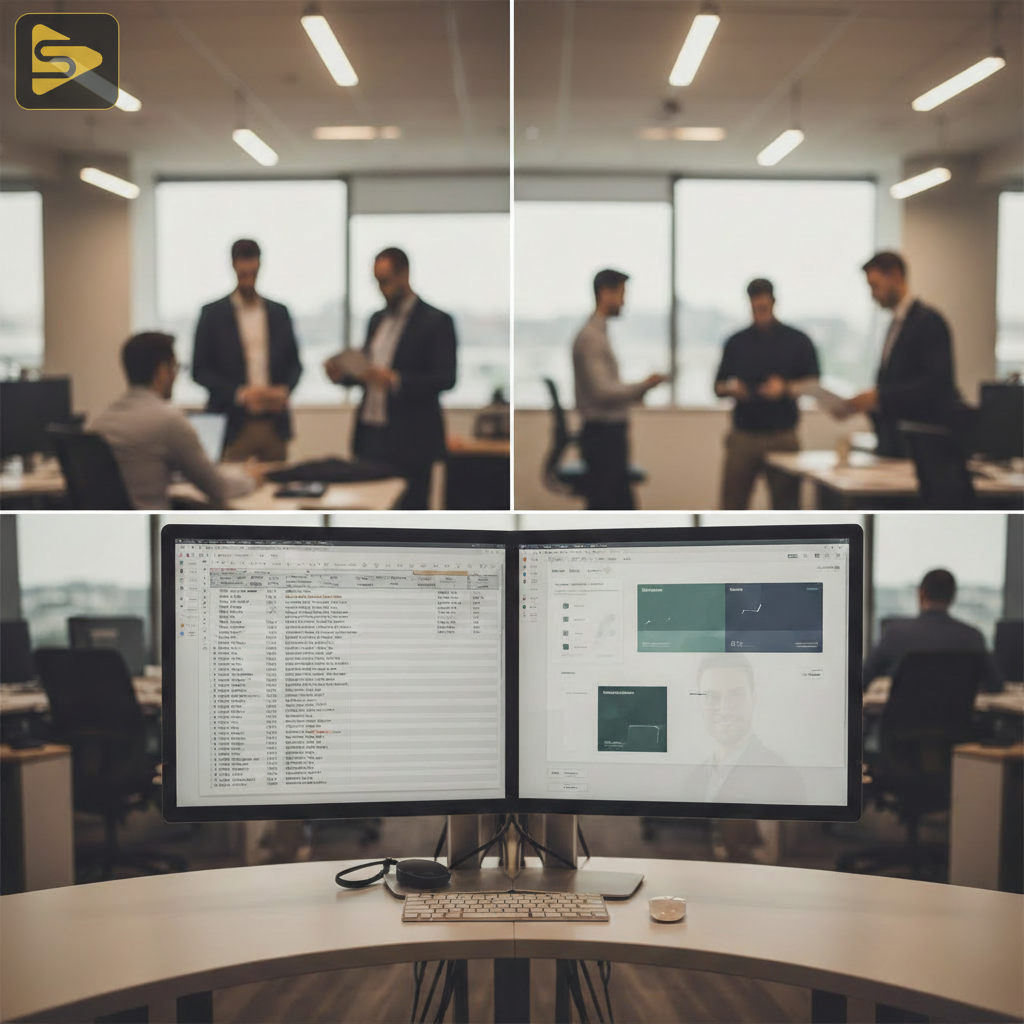
Instead of starting with “We are [Company Name], the leading provider of X,” start with the messiest part of your user’s day. For a typical Bay Area mid-market SaaS client, this might mean showing a cluttered spreadsheet being replaced by a clean, automated dashboard in three clicks. This approach aligns with Conversion Rate Optimization (CRO) principles by immediately reducing the cognitive load on the prospect.
- Identify the ‘Aha!’ Moment: What is the one feature that makes users stay? Lead with it.
- Ungated Access: Borrowing from the trend of ungated video tours, treat your demo as a public utility, not a lead magnet.
- Micro-Demo Strategy: Don’t try to show everything; create a 60-second hook that addresses one specific persona’s primary friction point.
What most people miss is that enterprise buyers are looking for reasons to say “no.” If your hook is too polished or feels like a “marketing version” of the software, you lose credibility instantly. We recommend using high-fidelity screen recordings that reflect the actual user experience, not stylized animations that hide the product’s real speed.
Need to build a library of these hooks? Schedule a free consultation to discuss your video strategy.
Phase 2: The Workflow Phase and Technical Proof Points
A high-conversion demo must prove that your solution works within the user’s existing mental model and technical stack.
During this phase, the goal is to demonstrate the Technical Proof Point. In our experience with Series B SaaS founders, the most successful videos avoid “jump cuts” during critical software actions. If a process takes three seconds to load in real life, show it taking three seconds—it builds trust. Transparency is the new premium in B2B tech marketing.
| Element | Hype Video (Low Conversion) | Technical Demo (High Conversion) |
|---|---|---|
| Focus | Brand Emotion | Workflow Efficiency |
| Visuals | Stock Footage/Abstract 3D | High-Fidelity UI/UX |
| Metric | Views/Shares | Time-to-Value (TTV) |
| Narrative | “Imagine a world where…” | “Here is how you solve X…” |
Transitioning into the actual UI, you should utilize POV-style demo tactics. Much like the HubSpot research on authentic content suggests, using a “Loom-style” narrative—even in a professionally produced video—can make a complex enterprise tool feel accessible and human.
- Real-Time Data Overlays: Use graphics to highlight exactly where the mouse is moving and why.
- Modular Components: Build your demo in sections so you can swap out the “Workflow” phase for different industries (e.g., Fintech vs. Biotech).
- Social Proof Integration: Don’t just show a feature; overlay a 2-sentence testimonial from a similar client while that feature is on screen.
Phase 3: The Integration and Asynchronous Selling Phase
The final phase isn’t just about a CTA; it’s about proving that your tool won’t break the prospect’s current ecosystem.
The real kicker? Most demos end right when the buyer starts getting worried about implementation. To close the sale, your product demo video production must visually depict how the software integrates with tools like Salesforce, Slack, or AWS. This is critical for Sales Enablement Video strategy, as these videos are often passed around internally to stakeholders who weren’t on the initial sales call.
But wait—there’s a better way to handle the follow-up. Instead of sending a single 5-minute video, we suggest creating a “Video Sales Room.” This involves using demo snippets as asynchronous follow-up collateral. If a prospect asks a question about security, you send a specific 30-second technical clip rather than a generic deck.
For companies looking to scale this type of content, we often utilize Ingest.blog (https://ingest.blog), our internal AI content engine, to help map out script variations for different B2B personas, ensuring that every technical proof point resonates with the specific pain points of a CMO or a DevOps Lead.
Why a Freelance Videographer Isn’t Enough for Technical Demos
The difference between a freelance videographer and a strategic production partner is the understanding of the sales funnel.
A typical one-off video shoot focuses on lighting and framing. While those matter, a technical demo requires a partner who understands digital marketing strategy and CRM automation. If your video doesn’t trigger a lead nurture sequence or integrate into your paid advertising landing pages, you are leaving ROI on the table.
Here is an honest, contrarian insight: The most “beautiful” video often performs the worst in B2B sales. If the production value is so high that it feels like a car commercial, technical buyers become skeptical. They want to see the “engine.” Our goal at iStudios Media is to provide that “Performance Polish”—high-end production that maintains the grit and truth of a real software solution.
Maximizing ROI with Interactive Video Funnels
The latest trend in SaaS video marketing is the Interactive Video Funnel. Instead of one long video, give the viewer a “choose-your-own-adventure” pathway.
Imagine a viewer landing on your site and being asked, “Are you a Developer or a Product Manager?” The video then branches into the specific technical proof points relevant to their role. This reduces Time-to-Value significantly because the user isn’t sitting through three minutes of irrelevant content.
- Vertical-Specific Tailoring: Use modular video components to create versions for different Bay Area industries like Healthcare or FinTech.
- AI-Powered Personalization: As of 2025, tools are emerging that allow for dynamic text overlays in videos, showing the prospect’s company name within the UI.
- Call-to-Action Precision: Link your video directly to your marketing automation platform to track exactly which features a prospect watched before they booked a call.
Ready to move beyond the basic walkthrough? Get a custom quote for your next demo project here.
Key Takeaways for Your Next Demo Project
- Skip the Intro: Start with the solution to a specific, painful problem.
- Show, Don’t Tell: Use high-fidelity UI recordings without hiding the real software speed.
- Think Modular: Build segments that can be reused for different personas or industries.
- Prioritize Integration: Prove that your product fits into the existing tech stack.
Frequently Asked Questions
What is the ideal length for a product demo video?
For a top-of-funnel hook, keep it under 60 seconds. For a full technical walkthrough intended for sales enablement, 2 to 5 minutes is standard. The key is to ensure the most valuable “Aha!” moment occurs within the first 15-20 seconds to maintain viewer retention.
How much does professional product demo video production cost in the Bay Area?
Typical industry-reported ranges for high-quality B2B demo videos in the San Francisco Bay Area fall between $2,500 and $15,000 per project. The price varies based on the complexity of motion graphics, the need for professional voiceovers, and whether you require multiple industry-specific versions.
Should I use animation or real screen recordings?
For technical sales, real screen recordings (high-fidelity) are generally better for building trust. Animation is excellent for explaining abstract concepts or high-level brand promises, but technical buyers need to see the actual interface to validate the product’s ease of use and speed.
How do I measure the success of a demo video?
Look beyond views. Monitor the “drop-off” rate in your analytics to see where users stop watching. High-performing videos should have a high completion rate and, more importantly, a high conversion rate to the next step in your funnel, such as a trial sign-up or a sales call.