📋 Table of Contents
According to Wyzowl’s 2024 State of Video Marketing report, 89% of consumers say watching a video has convinced them to buy a product, yet most technical founders treat their technical product launch visuals as an afterthought. In the high-stakes San Francisco ecosystem, a glitchy screen recording or a vague value proposition doesn’t just lose a lead—it signals a lack of engineering maturity to VCs and early adopters alike.
For Series A and B startups, the transition from ‘building in public’ to a formal market entry requires more than a freelance videographer or a one-off video shoot. It demands a structured alignment between your technical documentation and your brand narrative. At iStudios Media, we’ve seen that the most successful launches bridge the gap between Developer Experience (DX) and Brand Experience (BX) long before the cameras roll.
Key Takeaways for Founders
- Validation First: Use Phase 1 to align engineering specs with real-world user pain points.
- Infrastructure is Content: High-quality documentation and API stability are your strongest marketing assets.
- Founder-Led Authority: Personal narratives from the technical lead drive higher engagement than polished corporate scripts.
- AI-Ready Assets: Optimize your launch content for discoverability in AI search engines like Perplexity.
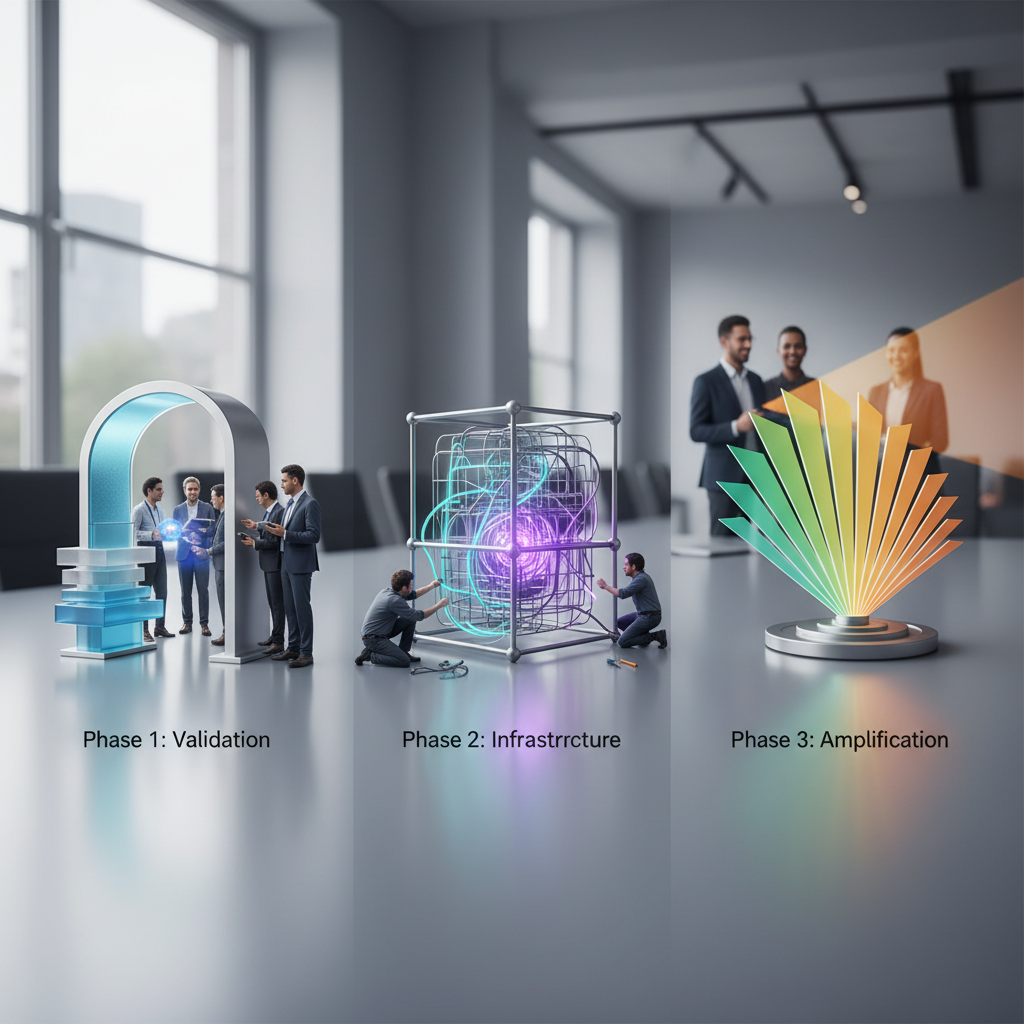
Phase 1: Technical Validation and Narrative Alignment
The most effective technical product launches start by treating the product’s core utility as the primary marketing hook rather than relying on flashy UI animations. Here’s the thing: in a market saturated with ‘AI-powered’ claims, technical buyers are looking for API stability and clear documentation over hype.
During this phase, we work with founders to translate complex backend architecture into a visual product demo framework. This isn’t about simplifying the technology; it’s about making the complexity accessible. For example, a typical Bay Area mid-market SaaS client might spend weeks refining their Proof of Concept (PoC) only to realize their marketing video features an outdated CLI version. Validation prevents these costly resets.
- Audit the Tech Stack: Ensure the version of the product being filmed is the one hitting General Availability (GA).
- Define the ‘Hero’ Feature: Identify the one technical breakthrough that differentiates you from incumbents.
- Zero-Party Data Integration: Use pre-launch waitlists to gather specific questions from your early adopter program to answer in your video content.
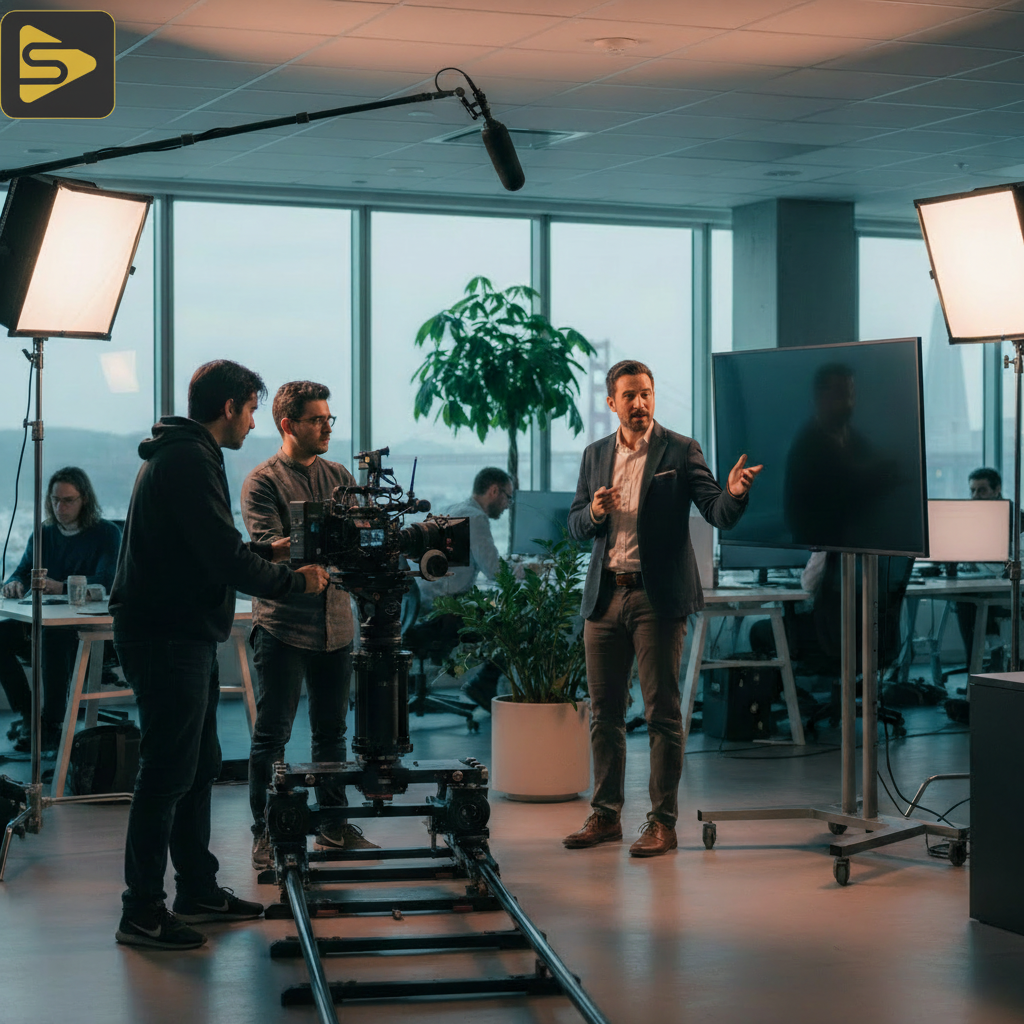
What most people miss is that your Developer Relations (DevRel) team is actually your best creative department. By involving them in the scriptwriting process, you ensure that the language used in your SF startup video production matches the language in your GitHub README. If you need help bridging this gap, explore our video production services to see how we handle technical storytelling.
Phase 2: Infrastructure and Visual Asset Preparation
Visual fidelity in a technical launch is a proxy for product reliability. If your demo looks like it was filmed in a bedroom with poor lighting, your enterprise prospects will assume your security protocols are equally neglected. In the SF tech scene, ‘Vibe Check’ isn’t just a meme; it’s a measure of professional standards.
Phase 2 focuses on building the production environment. Unlike a one-off video shoot, a technical product launch requires a synchronized environment where code snippets, UI transitions, and founder interviews feel like a cohesive ecosystem. We recommend a ‘Security and Compliance’ audit of your visuals—ensure no sensitive API keys or internal data are visible in your high-res screen captures.
| Asset Type | Technical Requirement | Marketing Goal |
|---|---|---|
| Product Demo | 4K Screen Capture / Clean Environment | Feature Validation |
| Founder Interview | Professional Audio / Studio Lighting | Investor & User Trust |
| API Visualization | Accurate Schema Representation | Developer Adoption |
But wait—don’t forget about AI discoverability. As of 2025, your launch content needs to be readable by LLMs. This means providing clear transcripts and structured data so that AI search engines can accurately summarize your product’s capabilities. To accelerate this, we use Ingest.blog, our internal AI content engine, to ensure our clients’ blog content is optimized for both humans and AI crawlers.
Need a partner who understands the technical nuances of your stack? Schedule a free consultation with our production leads today.
Phase 3: Amplification and Founder-Led Distribution
The real kicker? The best-produced video in the world won’t convert if it isn’t distributed through the right channels with a founder-led voice. In our experience with Series B SaaS founders, the highest ROI comes from a mix of hyper-local SF micro-events and a robust LinkedIn presence.
Phase 3 is where we turn your technical assets into a multi-channel campaign. This involves more than just posting a link; it’s about ‘Day 0’ dominance across Google Search, LinkedIn, and developer forums like Hacker News. Transitioning from stealth to scale requires a consistent output of content that reinforces your GTM strategy.
- Long-form Content: Use your technical product launch video as the pillar for 10-15 micro-content pieces.
- Strategic Paid Media: Use LinkedIn Ads to target specific engineering titles at your top 100 dream accounts.
- Live Stream Q&A: Host a technical deep dive to answer questions from your Beta-to-GA transition phase.
The contrarian insight here is that ‘perfection’ is the enemy of ‘authenticity’ in technical marketing. While we advocate for high production values, the content must remain grounded in reality. If your product has a known limitation, addressing it head-on in your launch content builds more trust than a 100% ‘polished’ but misleading commercial.
Why San Francisco Startups Choose Integrated Production
Relying on a freelance videographer often leads to a disconnect between the creative vision and the technical reality. A freelancer might capture a beautiful shot but miss the fact that the developer console in the background is throwing a 404 error. This is why an integrated approach is vital for a successful technical product launch in the Bay Area.
At iStudios Media, we combine corporate video production with deep performance marketing expertise. We don’t just deliver a file; we build a system for lead nurture and pipeline tracking. For a typical Bay Area mid-market client, this means integrating your video assets directly into your marketing automation platform to track exactly which prospects watched your demo before booking a call.
The Cost of Technical Misalignment
Industry-reported ranges for SF startup video production typically fall between $2,500 and $15,000 per project. However, the true cost of a failed launch isn’t the production invoice—it’s the six months of lost momentum and a ‘burnt’ lead list. Investing in pre-production ensures that every dollar spent on digital marketing is supported by credible, high-converting visuals.
Executing Your Launch Strategy This Week
Don’t wait until your code is 100% frozen to start your pre-production. Start by auditing your current ‘Building in Public’ assets. Are they telling a cohesive story? Do they align with your Series A pitch deck? If there’s a gap, now is the time to close it.
Ready to scale? Whether you need a high-end brand film or a series of technical product demos, iStudios Media is the Bay Area’s only full-stack partner that combines production with performance. Contact us today to start your 3-phase pre-production journey.
Frequently Asked Questions
How do we ensure our technical product launch video remains accurate?
We implement a ‘Technical Script Freeze’ 14 days before production. This involves a final walkthrough with your Lead Engineer to ensure all UI elements and code snippets reflect the GA version of the product, preventing the need for expensive post-production corrections.
What is the typical timeline for SF startup video production?
A standard high-quality technical launch video takes 4 to 8 weeks from initial strategy to final delivery. This allows for two weeks of pre-production alignment, one week of filming, and several rounds of technical review during the editing phase.
Can we use our own engineering team for the product demo?
Yes, and we often recommend it. Founder-led or engineer-led demos carry more weight in the technical community. We provide the professional lighting, audio, and coaching to ensure your team looks and sounds like the industry leaders they are.
How do you handle security and compliance during filming?
We work within your enterprise security protocols. This includes using sanitized staging environments for all screen captures and ensuring all production staff sign NDAs. We are experienced in working with medical and fintech clients who have strict HIPAA and SOC2 requirements.