📋 Table of Contents
A Series B fintech startup in Palo Alto recently dropped $18,000 on a SF event video production package for their annual summit, only to realize their ‘global’ digital audience averaged a 42-second watch time. While the in-person room was electric, the remote feed was a digital ghost town that cost $150 per active viewer—a literal masterclass in burning venture capital.
As of 2026, the data is undeniable: 64% of hybrid event budgets are effectively wasted on low-engagement remote feeds that nobody actually watches. The ‘Zoom Fatigue’ backlash has evolved into a strategic abandonment of the middle ground. At iStudios Media, we are seeing a radical shift where sophisticated CMOs are trading live broadcasts for intentional exclusivity and high-fidelity post-event content stacks.
The Ghost Audience Tax in SF Event Video Production
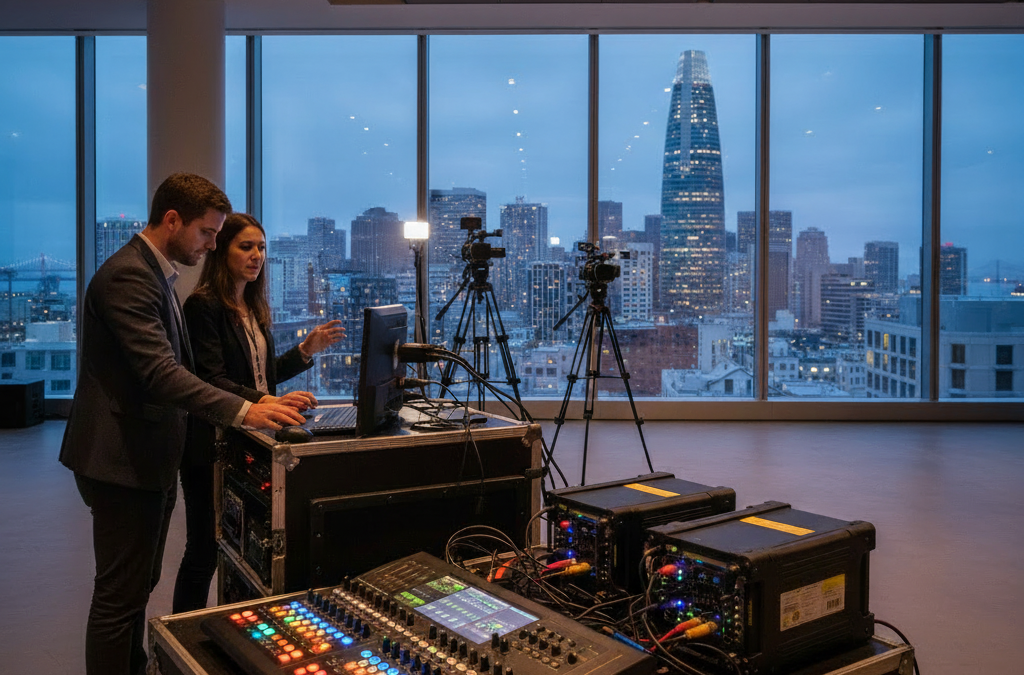
The most expensive seat at your event isn’t the one with the ergonomic chair and the catered lunch; it’s the digital one that stays empty while your $4,000-a-day switcher op waits for a comment that never comes.
- The Attention Gap: Remote attendees are 80% more likely to multi-task than in-person guests, leading to abysmal retention rates.
- Technical Debt: Mid-tier hardware often fails under the pressure of San Francisco’s high-interference venues, leading to lag that kills engagement.
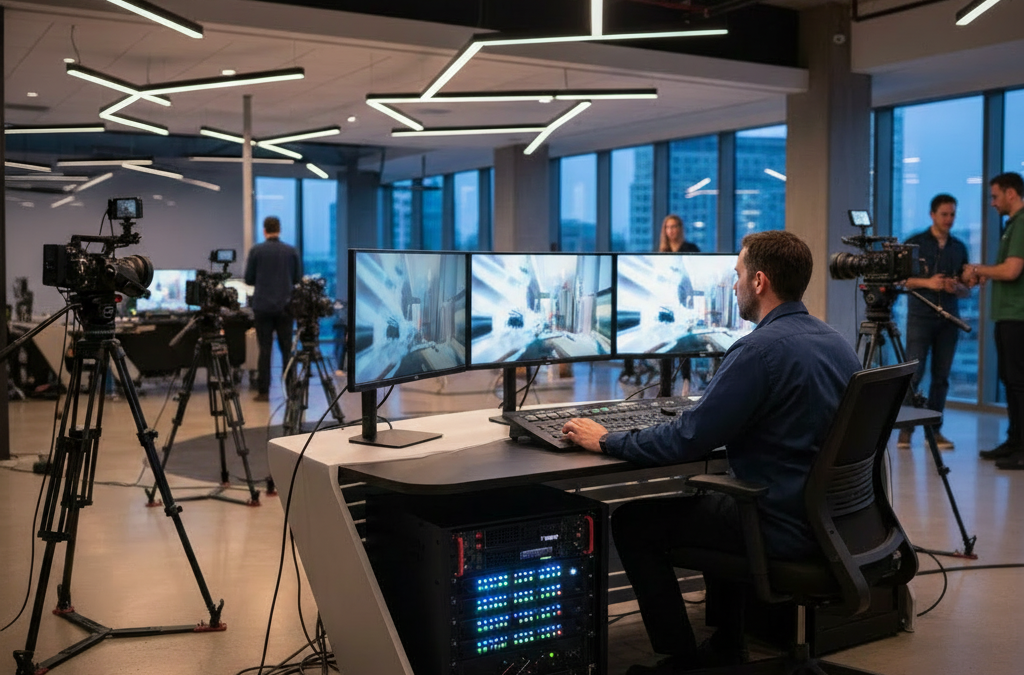
- Production Overhead: You are essentially paying to produce two different shows simultaneously, usually at the expense of both.
Here’s the thing: most multi-camera livestreaming services focus on the broadcast, but they forget the behavior. One of our clients, a medical practice group in the East Bay, found that their ‘Live’ viewers were actually just staff members keeping the tab open. The real ROI came three weeks later when we sliced the 4K raw footage into high-impact LinkedIn snippets.
Why Hybrid Event ROI is Tanking for Bay Area Leaders
In-person exclusivity is the new luxury, and trying to bridge the gap with a livestream often devalues the experience for everyone involved.
What most people miss is that the ‘Hybrid’ model was a survival tactic, not a long-term growth strategy. In the high-stakes environment of Silicon Valley, founders are realizing that a mediocre livestream actually hurts brand perception. If the stream buffers or the audio is hollow, your Series C prospect isn’t thinking ‘innovative’—they’re thinking ‘unprepared.’
- Venue Costs: San Francisco union labor and high-speed bandwidth surcharges can add $5k to a bill before a single camera is turned on.
- Engagement Friction: Slido polls and virtual chat boxes feel like chores to a remote executive with 14 unread Slack messages.
- Diluted Focus: When speakers have to address ‘the folks at home,’ they lose the intimate connection with the high-value donors in the front row.
But wait—this doesn’t mean you stop filming. It means you stop broadcasting. According to Harvard Business Review, the value of physical networking has increased by 34% post-pandemic, making the ‘live’ element of digital feeds redundant for many B2B use cases.
Need a partner who understands ROI over vanity metrics? Schedule a strategy session with our production leads to audit your 2026 event plan.
The 2026 Pivot: From Livestreaming to Asynchronous Stacks
Smart marketing directors are now treating events as ‘Content Factories’ rather than ‘Broadcast Stations,’ prioritizing high-fidelity capture over real-time transmission.
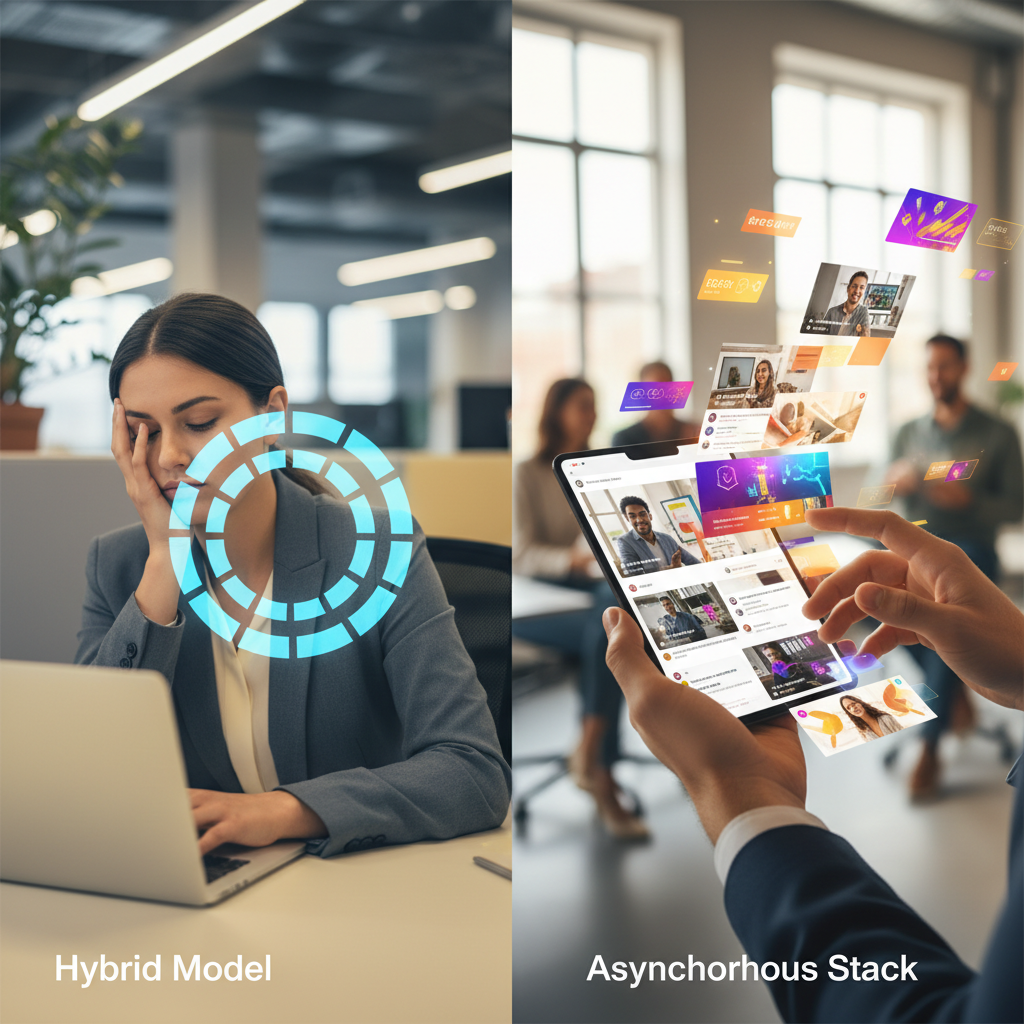
The real kicker? You can spend the same $18k on a full-service marketing agency that captures the event in cinematic 6K, then delivers a 12-month supply of SEO-optimized video assets. This ‘Asynchronous Stack’ includes keynote highlights, vertical social teasers, and polished case study interviews recorded on-site. It’s the difference between a one-time splash and a recurring revenue engine.
| Metric | Live Hybrid Model | Asynchronous Stack |
|---|---|---|
| Initial Cost | High ($15k – $50k) | Moderate ($10k – $30k) |
| Audience Retention | Low (< 3 mins) | High (Intent-based) |
| Content Lifespan | 24 Hours | 12+ Months |
| SEO Value | Negligible | Compounding |
The Rise of the ‘Micro-Community’ Strategy
Instead of trying to reach 5,000 distracted people via a SF event video production stream, companies are hosting 50 high-value targets in a room in South Park. They use the footage to nurture the other 4,950 through targeted Google Ads campaigns and CRM-driven automation. This intentional exclusivity creates FOMO and positions your brand as an elite authority.
How an Award-Winning Agency Maximizes On-Site Capture
Capturing high-fidelity content requires a production partner who thinks like a marketer, not just a camera operator.
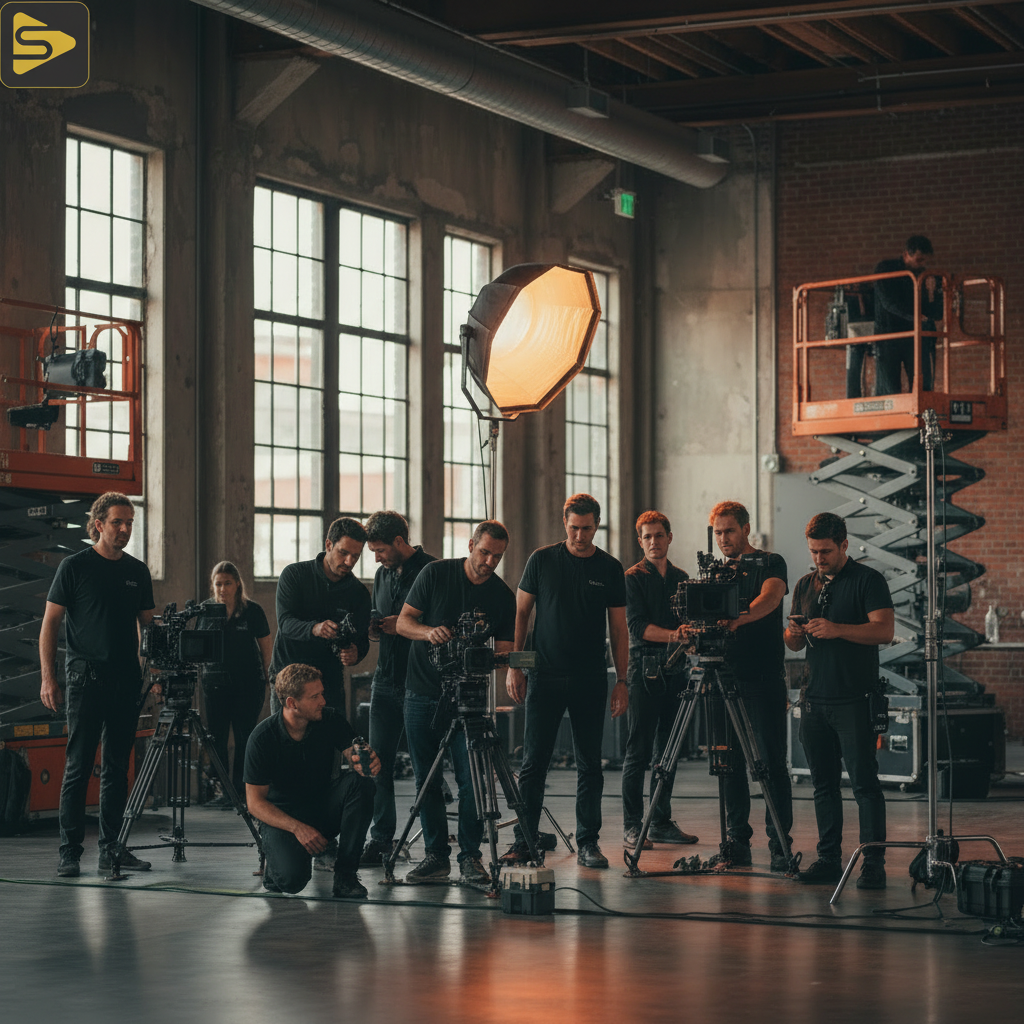
At iStudios Media, we don’t just set up tripods. We deploy ‘Capture Teams’ that hunt for the stories your marketing team needs to close deals. This includes:
- The ‘Hot Take’ Booth: Quick-fire interviews with industry leaders for LinkedIn.
- B-Roll Libraries: High-end cinematic shots of your product in action for future CRM automation sequences.
- Vertical-First Strategy: Ensuring every keynote is framed for TikTok and Reels from the start.
As a full-stack media and performance marketing agency, we bridge the gap between creative production and measurable ROI. We’ve seen $5M manufacturing firms in San Jose pivot from boring webinars to ‘Event Documentaries’ that tripled their inbound lead flow in a single quarter.
Stop paying for ghost audiences. Explore our production services and see how we turn events into evergreen assets.
The Hidden Math of Hybrid Failures
The ‘Empty Room’ syndrome isn’t just a feeling—it’s a measurable drain on your experiential marketing budget that compounds over time.
What most award-winning agencies won’t tell you is that the technical complexity of hybrid events increases the failure rate exponentially. For every camera you add to a live stream, you add four potential points of failure. In the Hayward and Silicon Valley corridor, where bandwidth is often throttled by enterprise security protocols, those failures are common. By shifting to an on-demand model, you eliminate the risk of a ‘dead air’ catastrophe while maintaining the highest possible production value.
Key Takeaways for 2026 Event Planning:
- Abandon the ‘Live’ requirement unless your event is news-driven or interactive at its core.
- Invest in ‘Capture Quality’ over ‘Broadcast Speed.’
- Use SF event video production to build a 6-month content calendar, not a 6-hour stream.
- Redirect ‘Hybrid’ budgets into high-conversion paid media to distribute the recorded content.
The era of the ‘accidental hybrid’ is over. The future belongs to those who create exclusive physical experiences and distribute them through world-class digital storytelling. Don’t be the brand that spends $18k to talk to an empty chat room.
Ready to revolutionize your event strategy? Contact iStudios Media today for a full audit of your production and performance marketing stack. Let’s build a pipeline that actually converts.
Frequently Asked Questions
Is SF event video production worth it without a live stream?
Absolutely. In fact, it’s often more valuable. By removing the live broadcast constraints, production teams can focus on cinematic lighting, better audio, and capturing high-value interviews that serve as long-term marketing assets. This shifts the event from a one-time expense to a content-generating investment with 12+ months of ROI.
Why are multi-camera livestreaming services becoming less popular?
The primary reason is ‘Hybrid Fatigue.’ Remote audiences have very low tolerance for the technical glitches and ‘dead air’ common in live B2B events. SF event producers are finding that attendees prefer high-quality, edited highlights they can watch on their own time rather than sitting through a 4-hour live feed with varying production quality.
How can a full-service marketing agency help with event ROI?
A full-service partner like iStudios Media doesn’t just film the event; we integrate the footage into your entire growth engine. This includes using the video for SEO, paid social ads, and CRM automation. We ensure the content captured on-site actually drives leads and revenue long after the event doors have closed.
What is the ‘Ghost Audience’ tax in event planning?
This refers to the significant portion of a hybrid event budget—often up to 40%—spent on dedicated streaming hardware, bandwidth, and specialized operators for a remote audience that typically has an engagement rate of less than 5%. It is essentially paying a premium for views that do not convert into business outcomes.