📋 Table of Contents
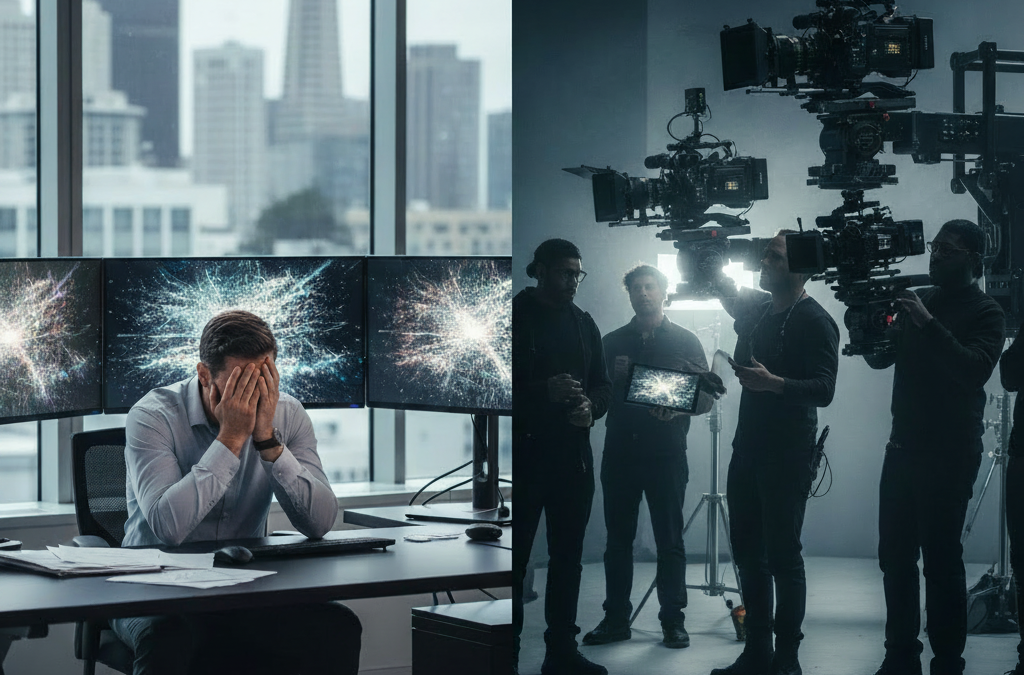
In the competitive Silicon Valley landscape, many brands fall victim to the SF Bay Area performance gap, a phenomenon where world-class cinematography fails to generate a single qualified lead. While San Francisco remains the global epicenter of innovation, its marketing leaders often rely on archaic 2015-era distribution cycles that prioritize vanity metrics over revenue.
Consequently, high-growth startups and established enterprises alike find themselves with a ‘Hero Film’ that looks stunning but lives in an expensive ghost town. At iStudios Media, we believe that in the current economic climate, high-production video is no longer the final product; it is the raw material for a sophisticated, multi-channel distribution engine.
The Anatomy of the SF Bay Area Performance Gap
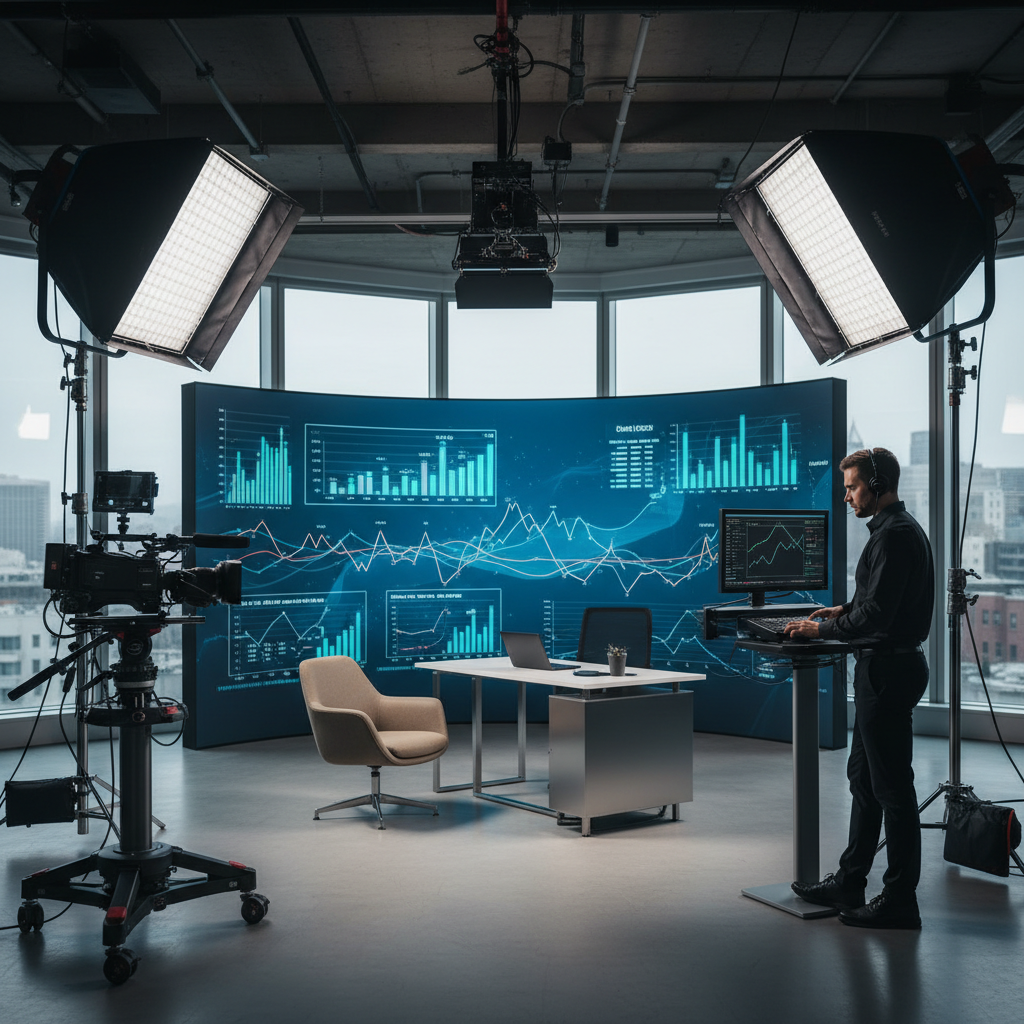
Specifically, the gap exists between the creative execution and the technical delivery. Most boutique production houses in the East Bay or San Jose focus exclusively on the frame, neglecting the algorithm. This disconnect ensures that even the most polished brand story fails the 3-second hook test on mobile-first feeds.
- The Vanity Trap: Prioritizing cinematic 4K resolution over strategic audience targeting.
- Fragmented Vendor Ecosystems: Managing a production house, an SEO agency, and a media buyer who don’t speak the same language.
- Lack of Content Atomization: Spending $50k on a single 2-minute video instead of a modular asset library.
- Static Deployment: Posting to a YouTube channel with zero paid social amplification strategy.
Furthermore, recent data from HubSpot suggests that 54% of consumers want to see more video content from brands they support, but only if that content is relevant to their specific stage in the buyer’s journey.
Bridging the Creative-Technical Divide
Bridging this divide requires a shift from being a ‘videographer’ to becoming a ‘Growth Content Engineer.’ By integrating video production SF teams with performance marketers, companies can ensure that creative assets are optimized for the platforms where their buyers actually live.
Why Full-Stack Distribution is Non-Negotiable for ROI
To solve the SF Bay Area performance gap, marketing leaders must adopt a full-stack approach. This means every frame filmed is planned with a specific Google Ads placement or LinkedIn sponsored content campaign in mind. Without this foresight, you are essentially gambling on organic reach—which has plummeted to less than 2% for most B2B brands.
- Algorithmic Alignment: Production must account for platform-specific specs (9:16 for mobile, captions for silent scrolling).
- Data-Driven Iteration: Using A/B testing on video hooks to see which creative drives the lowest cost-per-lead.
- CRM Integration: Ensuring video engagement data flows directly into systems like GoHighLevel or Salesforce.
- Retargeting Loops: Serving high-production case studies only to users who watched 50% of your initial brand film.
Therefore, a full-stack media and performance marketing agency provides the infrastructure necessary to turn creative vision into a sustainable pipeline. This integrated model eliminates the friction of vendor fragmentation.

The 20/80 Rule for Silicon Valley Marketing Budgets
Historically, brands spent 80% of their budget on production and 20% on distribution. In the post-cookie SF tech landscape, those ratios must flip. We advocate for a strategy where high-end assets are modularized into dozens of ‘Performance Creative’ snippets designed for high-volume testing.
| Strategy Component | The Old Way (Legacy Agency) | The New Way (Full-Stack Partner) |
|---|---|---|
| Creative Goal | Awards and Aesthetics | ROI-Focused Creative & Pipeline |
| Distribution | Manual/Organic Posting | Paid Social Amplification & AI Targeting |
| Measurement | Views and Likes | Cost-Per-Acquisition (CPA) |
| Longevity | One-time Launch | Evergreen Content Atomization |
Moreover, modern B2B demand gen relies on ‘Dark Social’—the word-of-mouth that happens in Slack groups and private messages. High-quality, shareable video is the currency of these channels, but only if it reaches the right hands through targeted distribution.
Solving the Expensive Ghost Town Effect with Performance Creative
To effectively close the SF Bay Area performance gap, your creative must be engineered for the scroll. This involves moving beyond the ‘Hero Film’ and embracing high-volume vertical video and founder-led content. Raw executive presence often outperforms polished agency creative in today’s trust-starved market.
- Hook Engineering: Testing five different 3-second openers for every one video produced.
- Contextual Relevance: Matching the video’s message to the user’s search intent on Google Ads.
- Sequential Messaging: Building a story over three or four touchpoints rather than one long-form video.
According to Forbes, companies that use video as a strategic tool throughout the funnel see 49% faster revenue growth than non-video users. However, this only applies when the video is actually seen by the target demographic.
The Role of AI in Content Atomization
Additionally, we utilize AI-powered marketing tools to atomize high-production assets. This allows a single day of filming in our Hayward or San Francisco studios to yield month’s worth of LinkedIn, TikTok, and Instagram content, maximizing the value of every production dollar.
Integrating Production with Google Ads and LinkedIn Targeting
As an award-winning agency, iStudios Media understands that production and performance are two sides of the same coin. When we produce a medical practice video or a Series B startup’s product launch, we are simultaneously building the LinkedIn Campaign Manager structure to support it.
- Persona-Based Creative: Filming different endings for the same video to appeal to specific job titles.
- Geofencing: Delivering video ads specifically to decision-makers at tech campuses in Palo Alto or Mountain View.
- Conversion Tracking: Setting up server-side tracking to ensure every view is attributed to a real business outcome.
Ultimately, this level of integration is what separates a mere vendor from a true growth partner. Our process is designed for speed and scalability, ensuring that your brand doesn’t just look better, but grows faster.
Moving From Videography to Growth Engineering
Transitioning your marketing strategy requires a partner who understands both the art of cinematography and the science of a CRM. By selecting a full-service marketing agency, you ensure that your creative assets drive measurable ROI and long-term brand equity.
FAQs
Why does my high-end brand video have so few views?
The primary reason is usually a lack of a paid distribution strategy. In the current SF Bay Area performance gap, organic reach is negligible. Without a dedicated budget for LinkedIn or Google Ads amplification, your video is effectively invisible to your target audience, regardless of its production quality.
What is the ideal production-to-distribution budget ratio?
For most high-growth companies, we recommend a 30/70 or 20/80 split. This means if you spend $10,000 on video production, you should ideally have $30,000 to $40,000 allocated for testing and distributing that content across paid channels to ensure it reaches the right decision-makers.
How do you measure the ROI of a video campaign?
We look beyond views. True ROI is measured through metrics like View-Through Rate (VTR), Cost Per Lead (CPL), and Pipeline Contribution. By integrating video with your CRM, we can track exactly how many prospects watched a video before requesting a demo or booking a consultation.
Can I use the same video for LinkedIn and TikTok?
While the core message remains the same, the format must change. TikTok requires high-energy, vertical (9:16) content, while LinkedIn often rewards more professional, thought-leadership styles. We recommend ‘atomizing’ your main production into platform-specific edits to maximize engagement across different user mindsets.
Ready to Close the Performance Gap?
Don’t let your next creative project become a vanity metric. Partner with iStudios Media to build a production-to-distribution engine that delivers measurable growth. Get a free performance audit today.