📋 Table of Contents
According to a 2024 report by the Association of National Advertisers (ANA), 92% of brands have moved at least some creative production in-house or to specialized partners to combat rising costs. For a Bay Area marketing director, the choice between a production partner vs agency isn’t just about creative preference—it’s a high-stakes decision about capital efficiency and time-to-market.
The traditional Agency of Record (AOR) model is under fire in Silicon Valley. As budgets tighten and the demand for high-volume social content explodes, the “Hidden Tax” of agency account management is becoming harder to justify. Here is how to navigate the marketing vendor evaluation process without sacrificing quality or your quarterly budget.
1. The Decoupling Strategy: Execution vs. Ideation
Decoupling is the strategic separation of creative ideation from the technical production process to maximize every dollar of your SF video production costs.
In our experience with Series B SaaS founders, we often see teams pay a 30-50% markup to a creative agency just to have them sub-contract the actual filming to a specialized production house. By working directly with a production-first partner, you eliminate the middleman and the associated “Agency Tax.”
- Creative Agency: Best for high-level brand positioning, naming, and 360-degree campaign strategy.
- Production Partner: Best for high-fidelity execution, technical cinematography, and rapid content scaling.
- The Hybrid Model: Many mid-market firms now keep strategy in-house and hire specialized squads for execution.
2. Evaluating Full-Service Agency Overhead
The real kicker? You aren’t just paying for the creative; you’re paying for the fancy office in SoMa and the layers of account managers that stand between you and the maker.
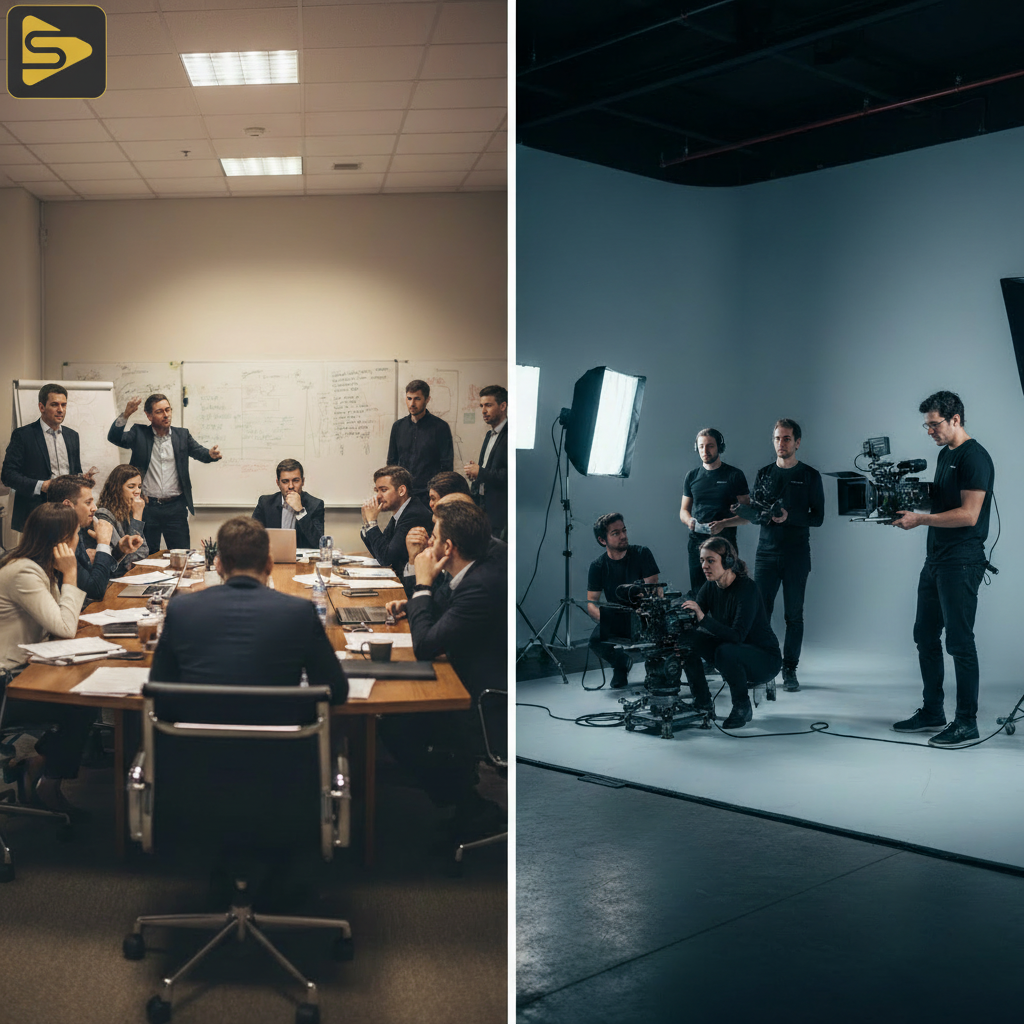
When conducting a marketing vendor evaluation, look at the ratio of “thinkers” to “doers” on your account. A specialized house usually operates on a lean, agile creative workflow where the person you talk to on the phone is the one actually holding the camera or directing the edit. This direct-to-maker value is why specialized houses are winning the time-to-market race for Series C startups.
Typical Bay Area pricing for corporate video production ranges from $2,500 to $15,000 per project. At an agency, that same project might start at $20,000 due to overhead.
3. Technical Depth: Why the Generalist is Dying
Niche technical expertise in areas like event live streaming or AI-powered marketing automation favors the specialist over the generalist every time.
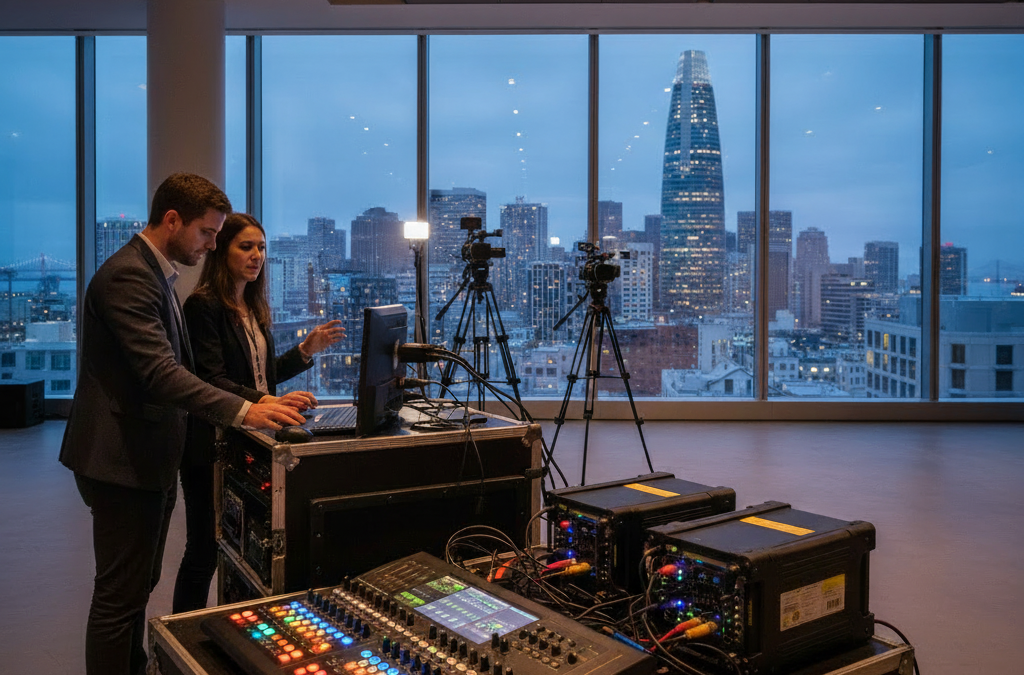
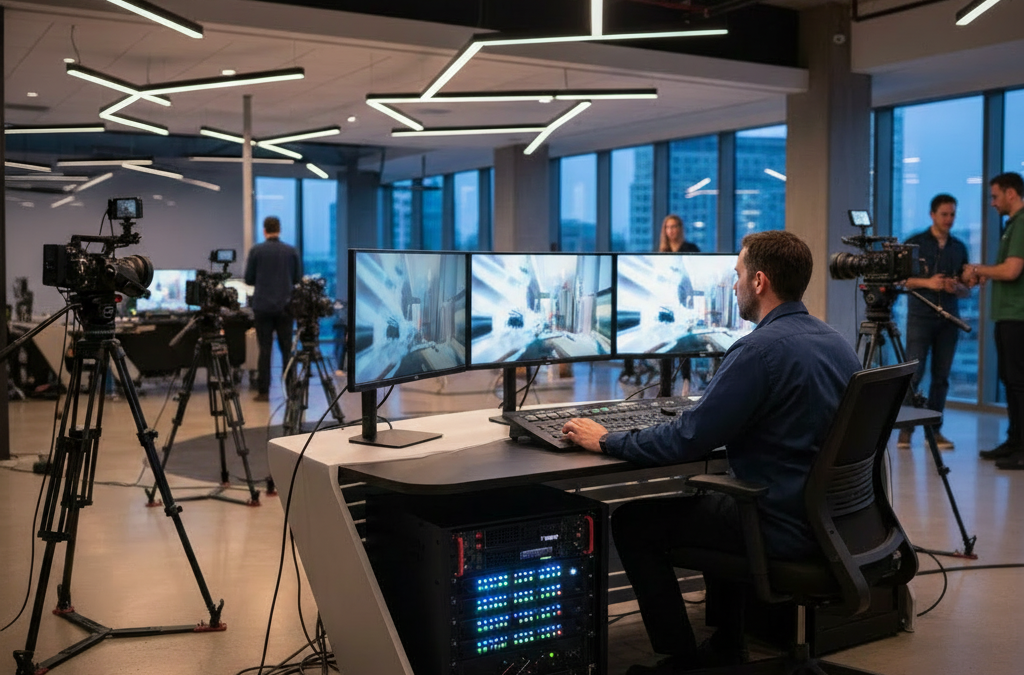
A freelance videographer might be great for a one-off video shoot, but they lack the infrastructure for a multi-camera conference or a complex CRM integration. Conversely, a large agency might lack the specialized gear—like 8K cinema cameras or professional lighting grids—requiring them to rent equipment and pass that cost to you.
| Feature | Creative Agency | Specialized Production House |
|---|---|---|
| Strategy Depth | Very High | Tactical/Execution Focused |
| Technical Gear | Often Rented | Owned & In-House |
| Speed-to-Market | Slow (Approval Layers) | Fast (Direct Access) |
| Overhead Cost | High (15-30% markup) | Low (Direct-to-Maker) |
4. Marketing ROI and Content Supply Chain Optimization
Efficiency in 2025 means moving away from the “Big Idea” TV spot toward a high-performance content supply chain that feeds your paid advertising channels.
For example, a typical Bay Area mid-market client might need 20 vertical videos for TikTok and Reels rather than one polished 30-second commercial. Specialized houses use lean production techniques to batch these assets, significantly lowering the cost per asset compared to traditional agency workflows. We even utilize Ingest.blog, our internal AI content engine, to help select clients scale their written content alongside their video assets for maximum SEO impact.
According to HubSpot’s State of Marketing Report, video remains the highest ROI media type, but only if the production cost doesn’t cannibalize the ad spend.
5. The Risk Mitigation Factor
The best way to mitigate risk is to match the vendor to the specific business outcome you need to achieve.
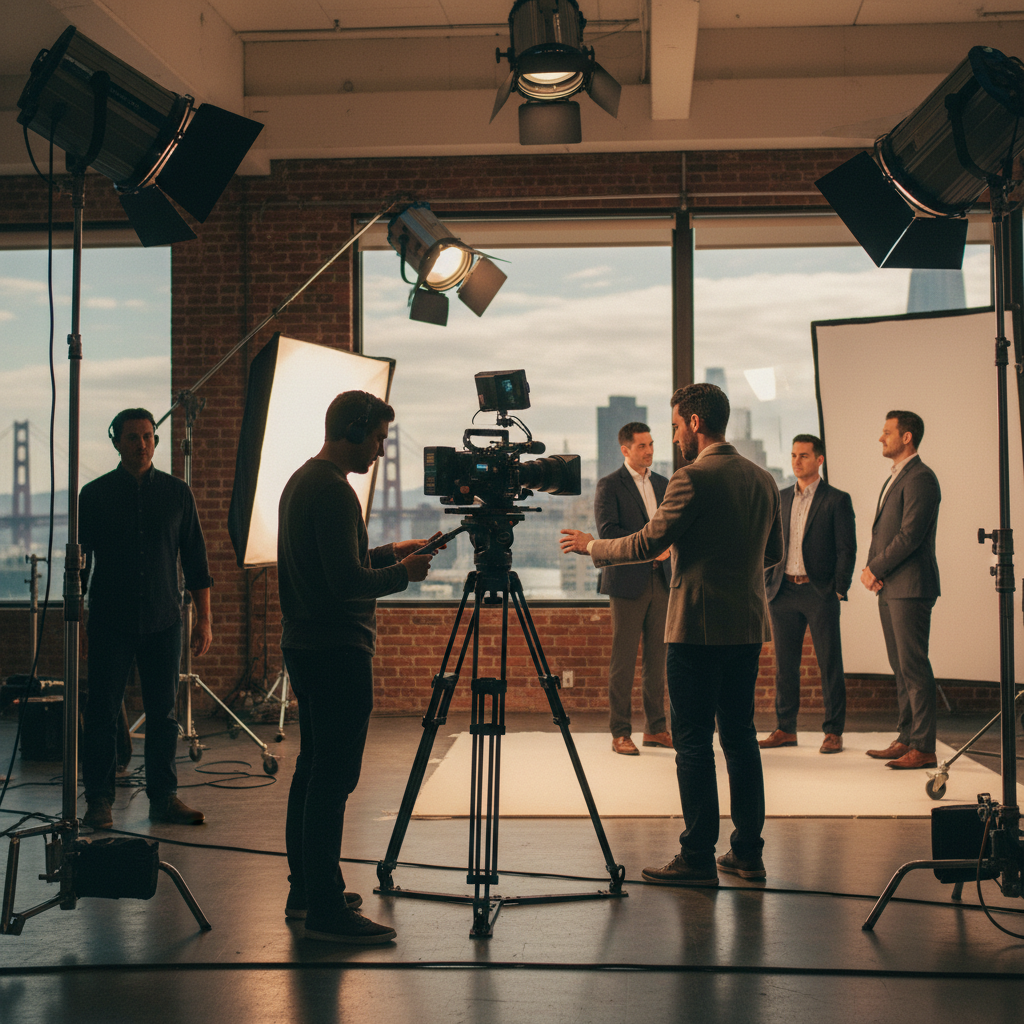
What most people miss is that a large agency is a “safe” choice for a CMO’s reputation but a “risky” choice for a Marketing Director’s budget. If you need SF video production costs to stay predictable while scaling a podcast production series, a specialized house offers more transparency. They operate on fixed-fee packages rather than ambiguous retainers.
- Define your core objective: Is it brand discovery or lead conversion?
- Audit your internal team: Do you have a strategist but need a crew?
- Compare the portfolios: Does the vendor have experience in your specific niche (e.g., medical practices or fintech)?
6. Decision Matrix: When to Hire Whom
Here’s the thing: you don’t always need an agency, but you always need a partner who understands your ROI.
Hire a Creative Agency when: You are rebranding, launching a completely new product category, or need a multi-channel media buy strategy that includes TV, OOH, and Print. They are the architects of your brand’s soul.
Hire a Specialized Production House when: You have a strategy and need high-quality photography, video, or event live streaming. Use them when speed, technical precision, and budget efficiency are your primary KPIs. They are the engineers who build the machine.
Need help deciding which path fits your current Q4 goals? Schedule a free consultation with our team to audit your current content workflow.
7. Actionable Takeaway for This Week
Before you sign your next retainer, perform a “Shadow Tax” audit on your last three projects. Calculate how much time was spent in “status meetings” versus actual production time. If more than 20% of your budget went to project management, it’s time to look for a specialized production partner vs agency model.
Start by testing a specialized house on a single project—perhaps a social media content sprint or a one-off video shoot. This allows you to benchmark their speed and quality against your current agency’s output without a long-term commitment.
Ready to see the difference a specialized partner makes? Get a custom quote for your next project today.
Frequently Asked Questions
What is the average cost of SF video production for a brand film?
Industry-reported ranges for premium brand films in the Bay Area typically fall between $8,000 and $50,000 per finished minute. This varies based on crew size, location permits, and the complexity of post-production graphics. Specialized houses often offer more competitive rates by owning their equipment and studio space.
How does a production partner differ from a freelance videographer?
A production partner provides a structured, scalable team including producers, editors, and specialized gear, ensuring reliability for enterprise-level projects. A freelance videographer is a solo operator suited for smaller, less complex tasks. For high-stakes corporate events or multi-camera shoots, a production house mitigates the risk of equipment failure or single-point-of-failure issues.
What is ‘creative production decoupling’ in marketing?
Decoupling is the process of hiring one agency for high-level creative strategy and a separate specialized house for the actual production of assets. This allows brands to choose the best-in-class talent for each stage while significantly reducing the overhead markups typically charged by full-service agencies for execution tasks.
Why should Bay Area startups prioritize specialized houses over agencies?
Startups often prioritize ‘Silicon Valley Speed’ and capital efficiency. Specialized production houses offer faster turnaround times because they have direct-to-maker workflows without the layers of account management found in traditional agencies. This agility is crucial for Series A-C companies that need to iterate on their marketing assets rapidly based on performance data.