📋 Table of Contents
According to Wyzowl, 91% of businesses now use video as a marketing tool, yet most marketing directors we talk to are still trapped in a cycle of the expensive, one-off video shoot that yields exactly one asset. To build a truly effective B2B video strategy, you must stop thinking about ‘videos’ and start thinking about ‘raw data’ that can be atomized across your entire funnel.
Most Bay Area Series B SaaS founders face the same bottleneck: they know they need a presence on LinkedIn, but they don’t have four hours a week to sit in front of a camera. The ‘Capture Once, Publish Weekly’ method solves this by treating a single 60-minute recording session as the fuel for a quarter’s worth of social presence, ads, and sales enablement.
The Failure of the One-Off Video Shoot
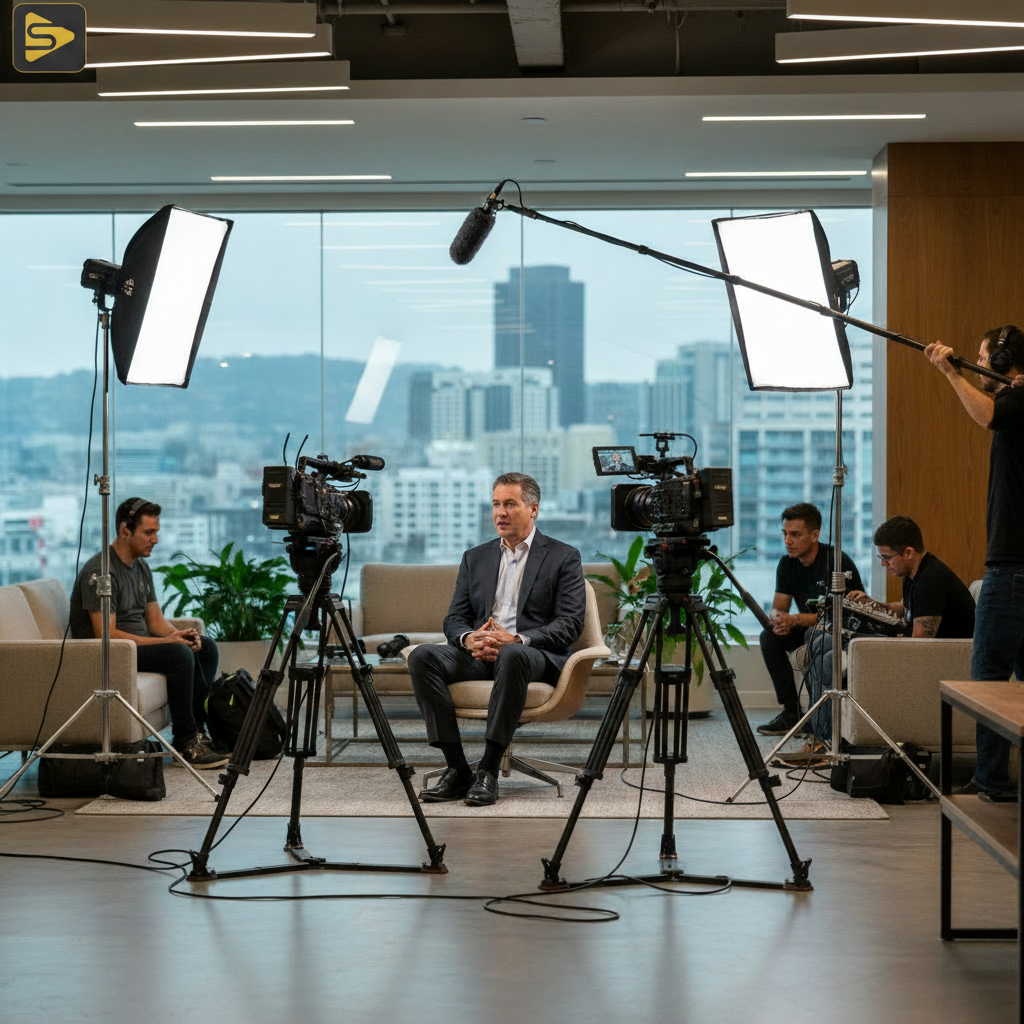
Traditional production focuses on the ‘Hero Film’—a polished, three-minute masterpiece that costs $15,000 and sits on a landing page gathering digital dust. Here is the reality: the LinkedIn algorithm and modern B2B buyers crave frequency and specific insights over cinematic perfection.
- Fragmented ROI: When you hire a freelance videographer for a single day without a distribution plan, your cost-per-impression skyrockets.
- Content Gaps: A single brand film doesn’t answer the 50 micro-questions your prospects are asking during the sales cycle.
- Production Burnout: Scaling content by scheduling more shoots is a recipe for budget exhaustion and team fatigue.
Instead of chasing a single viral moment, smart marketers are building a video content engine. This shifts the focus from ‘production value’ to ‘information density.’ We’ve seen this work exceptionally well for mid-market professional services firms that need to establish authority without a Hollywood budget.
The ‘Batch & Branch’ Content Repurposing Workflow
The secret to a sustainable B2B video strategy is the ‘Content Waterfall’—moving from high-fidelity long-form capture to platform-native short-form distribution. By recording one deep-dive interview with a Subject Matter Expert (SME), you create a library of insights that can be sliced into LinkedIn clips, YouTube Shorts, and even email signatures.
Step 1: The Strategic Capture
Don’t just hit record; script for the edit. We recommend a 60-minute session divided into four 15-minute ‘pillars.’ Each pillar should address a specific pain point or industry trend. This ensures that when the editor receives the footage, the content repurposing workflow is already baked into the file structure.
Step 2: Atomization and Distribution
From that one hour of footage, a skilled production partner can extract:
- 1 Long-form YouTube/Webinar video (15-20 mins)
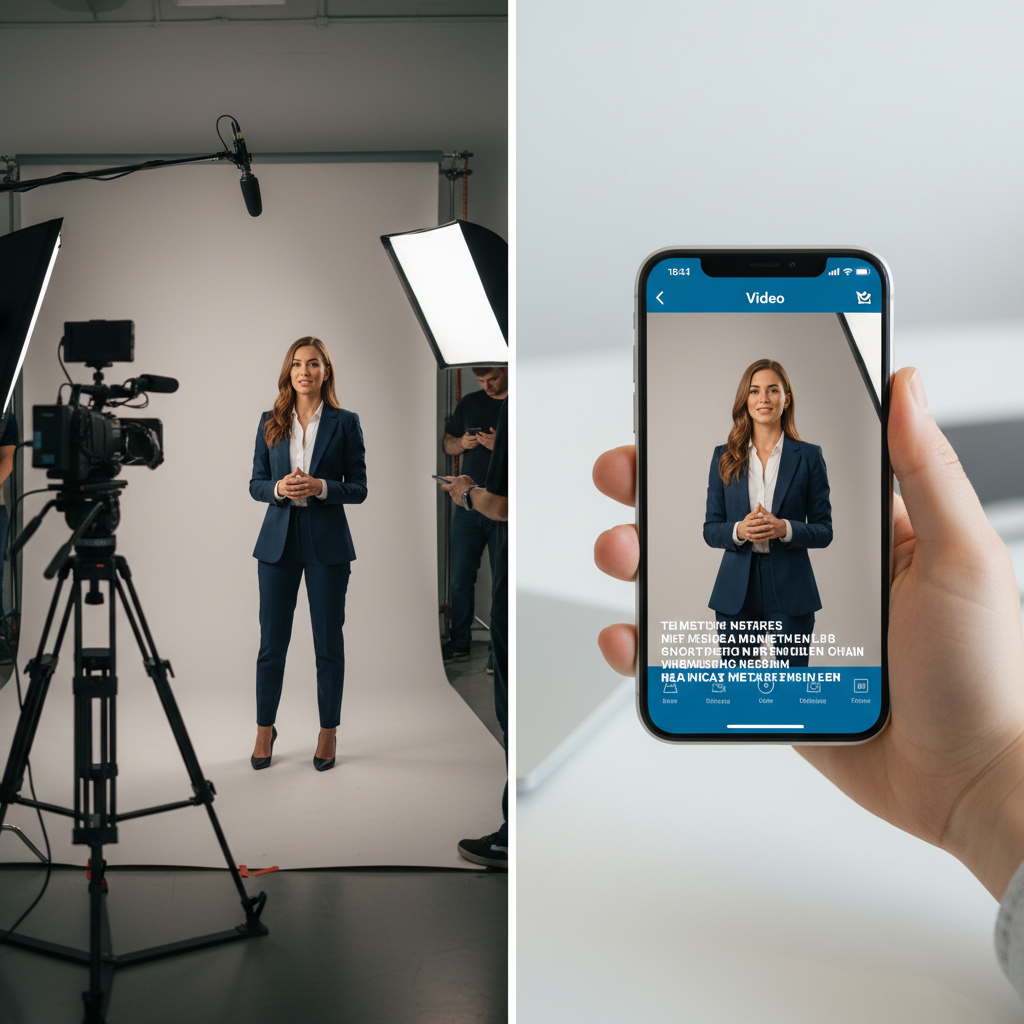
- 4 Educational LinkedIn ‘Talking Head’ clips (60-90 secs)
- 6 High-impact social teasers or ‘Edutainment’ snippets (15-30 secs)
- 3-5 Quote cards and blog posts derived from the transcript
If you’re looking to scale this volume even further, our internal AI content engine, Ingest.blog, can help turn those video transcripts into SEO-optimized articles in minutes. This ensures your video investment also fuels your organic search rankings.
LinkedIn Video Marketing: Moving from Viral to Valuable
Engagement metrics like ‘likes’ are a vanity trap if they don’t lead to pipeline. In the Bay Area tech scene, the most successful LinkedIn video marketing focuses on ‘Zero-Click Content’—providing so much value in the video itself that the viewer doesn’t even need to leave the platform to trust your expertise.
What most people miss is that B2B buyers are often ‘silent’ observers. A typical Series C SaaS client we worked with found that while their video view counts were modest, the quality of inbound leads improved because prospects had already watched four minutes of their CEO explaining their unique methodology before the first discovery call.
The Lean Video Stack for 2025:
- Recording: High-quality 4K capture (Studio or Remote)
- Transcription: Tools like Otter.ai or Descript for text-based editing
- Atomization: AI tools like Munch or OpusClip to identify ‘viral’ moments
- Hosting: Wistia for lead capture or Vidyard for sales integration
Need a partner to handle the heavy lifting? Schedule a free strategy consultation to see how we can build your engine.
Comparing Production Approaches: ROI Analysis
When evaluating your B2B video strategy, it’s helpful to compare the ‘One-Off’ model versus the ‘Engine’ model. Costs in the SF Bay Area typically range from $2,500 to $15,000 per project, but the value is in the volume of assets produced.
| Feature | One-Off Video Shoot | Sustainable Video Engine |
|---|---|---|
| Primary Asset | 1 Brand Film | 12-15 Platform Clips |
| Shelf Life | 2-4 Weeks | 3-6 Months | Low (Awareness only) | High (Nurture & Conversion) |
| Cost per Asset | $5,000+ | $400 – $800 |
The contrarian truth? You don’t always need a $50,000 commercial. Sometimes, a high-fidelity ‘vlog’ style video recorded in our San Leandro studio performs better on social because it feels more authentic and less like a polished sales pitch.
The Role of AI in B2B Video Strategy
AI isn’t here to replace the storyteller; it’s here to replace the technician. By using AI-powered marketing automation, you can distribute your video assets across LinkedIn, Meta, and email sequences without manual uploading every day.
For example, in our work with medical practice owners, we use marketing automation platforms to trigger specific video testimonials to be sent via email the moment a lead books a consultation. This isn’t just ‘marketing’—it’s a systemized trust-building machine. According to HubSpot’s State of Marketing report, automation is the top priority for 2025 for a reason.
Execution Blueprint: Your Next 90 Days
Don’t try to build a B2B video strategy overnight. Start with a 90-day pilot focusing on one key executive or SME. This reduces friction and allows you to prove the ROI before scaling to the rest of the C-suite.
- Month 1: Identify 3 core pillars of authority and record your first 60-minute session.
- Month 2: Deploy 2 clips per week on LinkedIn and monitor which topics generate the most ‘hand-raisers.’
- Month 3: Use the top-performing organic clips as ‘Creative’ for your Google Ads or LinkedIn Paid campaigns.
Ready to stop the ‘one-and-done’ cycle? We specialize in helping Bay Area businesses build integrated production and performance systems that actually scale. Contact us today for a free consultation.
Frequently Asked Questions
How much does a professional B2B video strategy cost in the Bay Area?
Typical Bay Area pricing for a comprehensive video content engine ranges from $2,500 to $15,000 per session. This includes the strategic planning, multi-camera capture, and the post-production required to turn that session into 10-15 ready-to-publish assets. While more expensive than a freelance videographer, the cost-per-asset is significantly lower.
Can we use this method for remote executives?
Yes. While on-site production in our San Leandro studio offers the highest quality, a ‘Capture Once’ workflow can be executed via high-end remote recording platforms. The key is the content repurposing workflow, not just the physical location of the camera. We often mix remote interviews with professional b-roll to maintain a premium feel.
How do we measure the ROI of LinkedIn video marketing?
Look beyond views. Effective B2B video strategy is measured by ‘Assisted Conversions’ in your CRM. Track how many leads engaged with a video before booking a demo. Additionally, monitor qualitative feedback from your sales team—are prospects mentioning the videos during calls? That is a leading indicator of pipeline velocity.
Does AI-generated content hurt our brand authority?
Only if it’s used lazily. We use AI for ‘atomization’—the technical task of resizing and transcribing—not for the creative strategy. Your SME’s original insights are what drive the value; AI simply ensures those insights reach the right audience at scale without requiring a 10-person editing team.