📋 Table of Contents
According to Wyzowl’s 2024 Video Marketing Report, 87% of marketers say video has directly increased sales, yet the biggest friction point remains deciding where to allocate budget. A sophisticated production value comparison reveals that the most expensive camera isn’t always the one that drives the highest conversion rate.
The Authenticity Paradox in Production Value Comparison
High-end cinema production can actually trigger ‘ad blindness’ on platforms like TikTok, whereas mobile content often drives higher engagement through perceived peer-to-peer authenticity. The real kicker? Viewers today are trained to skip anything that looks like a traditional commercial within the first 1.5 seconds.
- Brand Legacy: 4K Cinema cameras (ARRI, RED, Sony Venice) are for high-stakes trust-building.
- Brand Velocity: High-end mobile content (iPhone 15/16 Pro in Log) is for rapid-cycle testing and social relevance.
- Platform Native Performance: Content must match the ‘vibe’ of the feed it lives in to avoid being filtered out by the user’s brain.
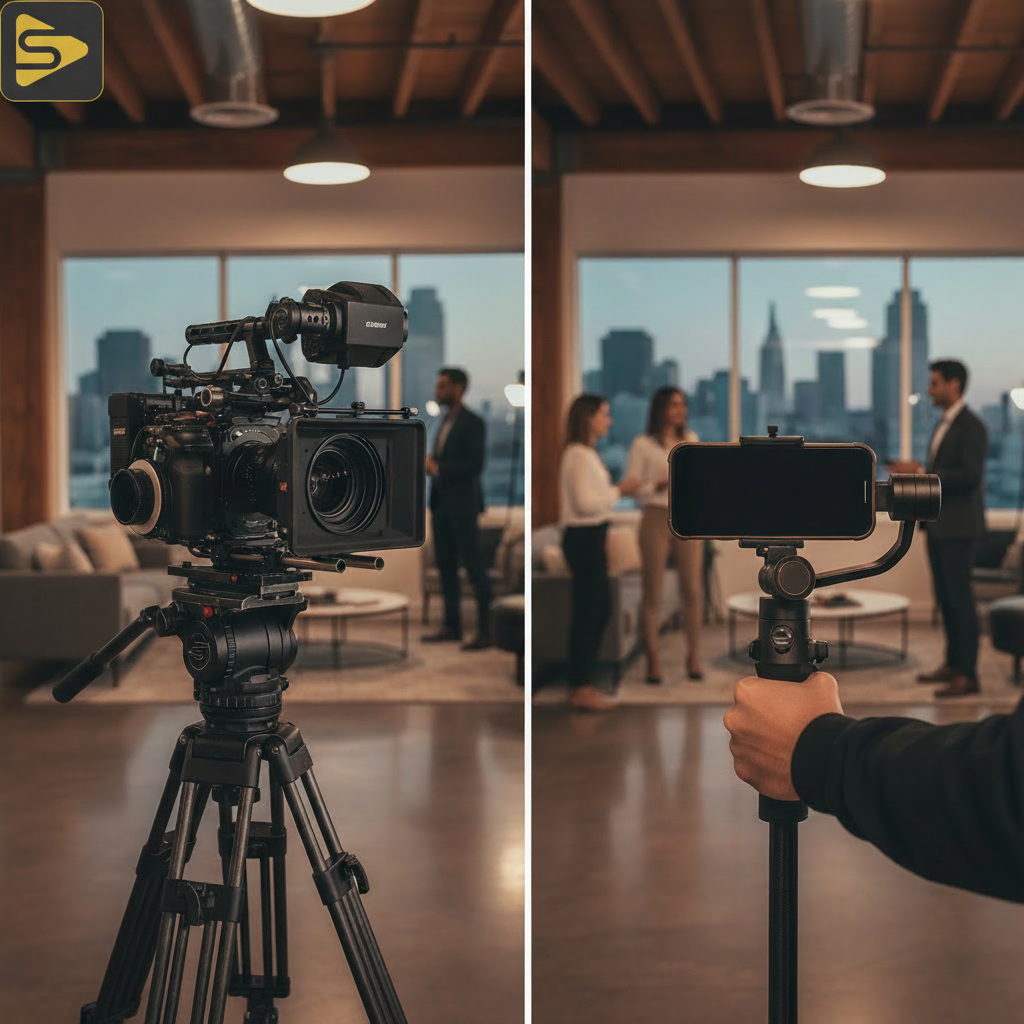
Why 4K Cinema Often Fails on Social
When you use a $50,000 camera setup for a TikTok ad, the visual polish can create a ‘distancing effect.’ In our work with Series B SaaS founders, we’ve seen that ‘raw’ customer stories captured on mobile often outperform studio-shot testimonials because they feel more credible. However, for a corporate video production project intended for a homepage or investor deck, the lack of dynamic range in mobile sensors can make a brand look amateur.
When to Hire a Professional Crew vs. a Freelance Videographer
The choice between a full-service agency and a freelance videographer usually comes down to the complexity of the narrative and the required technical precision. While a freelancer is great for a one-off video shoot, they often lack the integrated marketing systems to ensure that video actually reaches your target audience.
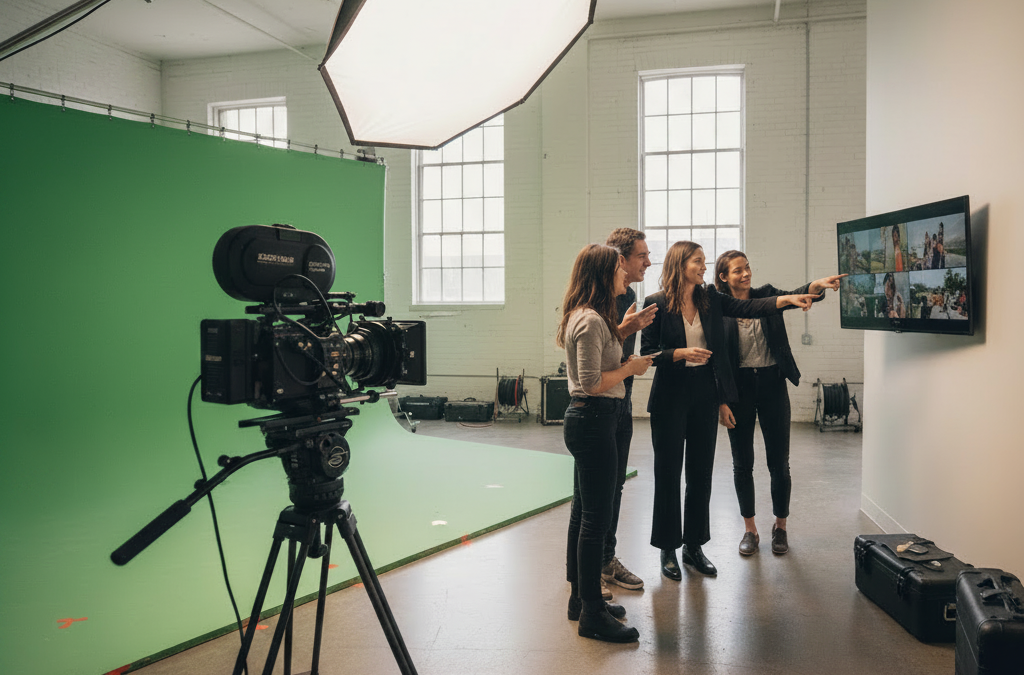
- Technical Necessity: Cinema glass handles ‘The Green Screen Divide’ where mobile sensors fail to create clean edges.
- Lighting Control: Professional sets use high-output modifiers that mobile sensors simply cannot replicate in low-light environments.
- Scalability: Agencies provide 4K cinema workflows that include color grading, sound design, and marketing automation integration.
Need help determining which gear fits your next campaign? Schedule a free consultation with our production leads.
The ROI of Raw: Mobile Content as a Strategic Asset
High-end mobile content is no longer about ‘cheap’ production; it’s about intentional aesthetic choices. Using a ProRes Log workflow on an iPhone 15 Pro allows for a production value comparison that rivals entry-level mirrorless cameras while maintaining a ‘native’ social feel.
| Feature | 4K Cinema Camera | High-End Mobile (ProRes) |
|---|---|---|
| Dynamic Range | 15+ Stops (Elite) | 11-12 Stops (Good) |
| Depth of Field | Natural Optical Bokeh | Computational/Artificial |
| Turnaround Time | 3-10 Days | 1-2 Days |
| Typical Cost | $8,000–$50,000 | $1,500–$6,000 |
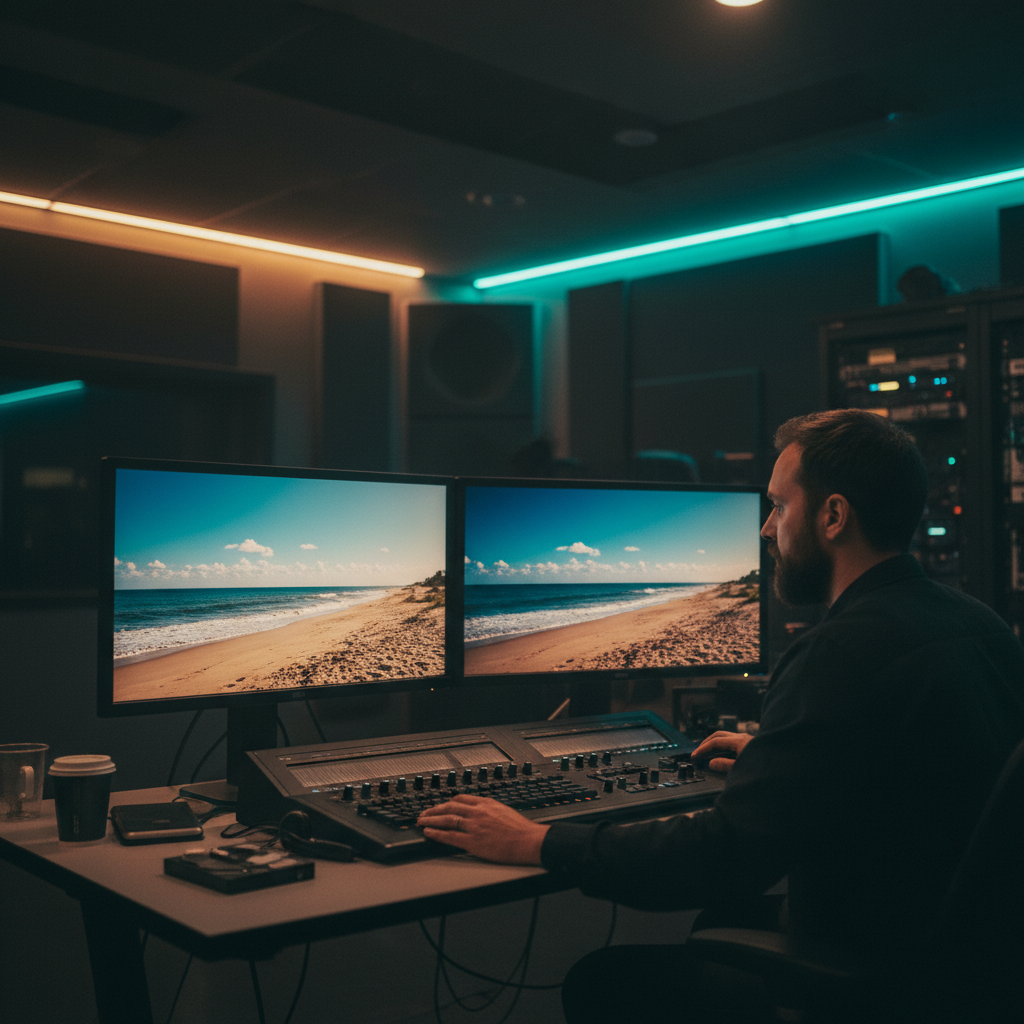
The ‘Uncanny Valley’ of High Production
What most people miss is that 12-bit cinema color can sometimes look *too* good for a LinkedIn feed. If the lighting is too perfect, it looks like a stock video. We recommend a hybrid approach for many of our Bay Area mid-market clients: use cinema cameras for the ‘Hero’ brand film and high-end mobile for the supporting ad sets.
Matching Quality to the Marketing Funnel
Your corporate video quality should vary depending on where the prospect is in their journey. For top-of-funnel (TOFU) awareness, high-end mobile content is often superior because it encourages comments and shares. For bottom-of-funnel (BOFU) decision-making, cinema-quality visuals provide the ‘heft’ and authority needed to close enterprise deals.
- Awareness: Social-first cinematography, mobile-shot, fast cuts.
- Consideration: Product demos, studio-shot, 4K clarity.
- Decision: Brand films, high dynamic range, professional sound.
For founders looking to scale their content velocity, we often utilize Ingest.blog, our internal AI content engine, to turn high-quality video transcripts into SEO-optimized articles instantly.
The Technical Divide: When Mobile Sensors Fail
Despite ‘Shot on iPhone’ marketing, mobile sensors still struggle with high-contrast scenes, such as a CEO speaking in front of a bright window. This is where a production value comparison favors cinema gear. Professional sensors have a higher ‘signal-to-noise’ ratio, ensuring that skin tones look natural rather than plastic-y or over-sharpened.
Transitioning from a one-off video shoot to a recurring content system requires understanding these technical nuances. According to HubSpot’s latest data, 54% of consumers want to see more video content from brands they support, but they value ‘helpfulness’ over ‘glossiness’ in 2025.
Strategic Execution: The iStudios Media Approach
We don’t just hand you a file and walk away. Whether we are deploying a $15,000 cinema package or a $2,500 mobile-first social campaign, every frame is tied to your Google Ads or SEO strategy. We operate as a full-stack growth partner, not a vendor.
- Systematized Production: We use internal frameworks to ensure consistency across all formats.
- ROI Visibility: Every video is tracked through our marketing automation platform to measure lead attribution.
- Bay Area Expertise: We understand the specific needs of biotech, fintech, and Series A-C startups.
Actionable Takeaway for This Week
Audit your current video assets. If your high-performing social ads are all ‘highly produced’ but have low click-through rates, try a 1:1 test: film the same script on a flagship mobile device with natural lighting and compare the engagement. You might find that ‘Brand Velocity’ beats ‘Brand Polish’ for your specific audience.
Ready to stop guessing and start growing? Contact iStudios Media today for a strategic production audit.
Frequently Asked Questions
Is 4K cinema really necessary for social media ads?
While 4K offers better cropping flexibility, most social platforms compress video heavily. A production value comparison shows that lighting and audio quality matter more for social conversion than the raw resolution of the sensor. However, for YouTube or OTT advertising, 4K cinema is the industry standard for credibility.
How much does a professional corporate video cost in the Bay Area?
Typical Bay Area pricing for corporate video production ranges from $2,500 to $15,000 per project. Premium brand films or commercials can range from $8,000 to $50,000 per finished minute, depending on the crew size, talent, and post-production requirements.
Can I use mobile content for my brand’s main homepage video?
It is generally not recommended. Your homepage video is your ‘digital lobby.’ A production value comparison suggests that the lack of professional depth-of-field and dynamic range in mobile content can subconsciously signal a lack of scale to enterprise-level prospects.
What is the benefit of a ProRes Log workflow on mobile?
ProRes Log allows editors to retain more data in the shadows and highlights, similar to cinema cameras. This bridges the gap in corporate video quality, allowing mobile footage to be color-graded to match professional studio footage more closely than standard mobile video formats.