📋 Table of Contents
According to a 2024 study by MIT Sloan, businesses that contact leads within five minutes are 100 times more likely to connect and qualify them than those who wait thirty. For a San Francisco medical practice, where administrative labor costs are among the highest in the country, maintaining this “speed to lead” manually is virtually impossible without automated lead nurturing.
The reality is that most Bay Area clinics lose thousands in potential revenue not because their medicine is poor, but because their front desk is overwhelmed. When a high-intent patient searching for “medical aesthetics SF” or “regenerative medicine” clicks your ad, they expect an immediate response. If your staff is busy checking in a patient, that lead goes to the competitor down the street.
The Architecture of Medical Marketing Automation
Success in the SF market requires moving beyond the “one-off video shoot” or the disconnected SF medical SEO strategy to a unified system.
Most practices rely on a single person to handle phones, insurance, and lead follow-up. This creates a bottleneck. A 3-layer tech stack acts as a digital concierge, ensuring that every inquiry from Google Ads or social media is captured, triaged, and nurtured without human intervention. This isn’t just about efficiency; it’s about survival in a city where office overhead can consume 60% of gross revenue.
- Layer 1: The Traffic & Capture Layer (Google Ads, Local SEO, and Professional Video)
- Layer 2: The Middleware & Logic Layer (The automation engine that handles HIPAA-compliant triage)
- Layer 3: The Conversion & EMR Layer (Your CRM and Patient Management system)

Layer 1: High-Intent Patient Acquisition
In the Bay Area, patient acquisition starts with high-intent search. Whether you are targeting weight loss inquiries for GLP-1 treatments or longevity medicine, your top-of-funnel must be polished. A freelance videographer might give you a nice clip, but a strategic partner integrates that video into a landing page designed for conversion.
We see many practices spend $5,000/month on Google Ads only to send traffic to a generic homepage with a “Contact Us” form that sends an email to a junk folder. Instead, your capture layer should include:
- Interactive medical assessments or zero-party data quizzes.
- Direct integration between Google Ads and your automated lead nurturing system.
- High-production brand films that build trust before the first phone call.
Middleware: The Secret to HIPAA-Compliant Automation
The “Middle Layer” is where most medical practices fail because they try to connect marketing tools directly to their EMR (Electronic Medical Record).
Modern platforms like Nextech or Modernizing Medicine are great for charting but terrible for marketing. You need a dedicated marketing automation platform to act as the bridge. This middleware allows you to trigger SMS, email, and even AI-driven voice calls the second a lead is generated. This ensures you are navigating California’s CCPA and HIPAA requirements while maintaining a fast response time.
The real kicker? You can build “triage logic.” For example, if a lead checks a box for “Emergency Appointment,” the system can bypass the nurture sequence and immediately notify your lead coordinator via a high-priority push notification.
Comparison: Manual Follow-up vs. Automated Lead Nurturing
| Feature | Manual Staff Follow-up | 3-Layer Automated Stack |
|---|---|---|
| Response Time | 2 – 24 Hours | < 5 Minutes |
| After-Hours Coverage | None (Voicemail) | 24/7 Instant Response |
| Lead Persistence | 1-2 attempts | 5-7 touches across multiple channels |
| Data Accuracy | Prone to human error | 100% Logged in CRM |
Need to see how this architecture fits your specific clinic? Schedule a free consultation with our performance team today.
Nurture Workflows for High-Growth Sectors
In our experience with mid-market clients in the aesthetic and longevity space, the “quality of conversation” is becoming more important than just “speed to lead.”
Using LLMs (Large Language Models) or sophisticated branching logic, your automated lead nurturing can now handle basic triage questions. For a GLP-1 weight loss clinic, the automation can ask about previous medical history or contraindications before the patient even talks to a human. This reduces front-desk burnout and ensures that by the time your staff picks up the phone, they are talking to a qualified, high-intent prospect.
- Multi-Channel Nurture: Syncing SMS, Email, and even direct mail for high-ticket surgeries.
- Self-Scheduling: Integrating tools like Calendly or internal EMR schedulers directly into the nurture flow.
- The ROI of Empathy: Using automated sequences to send educational videos about the procedure, which reduces patient anxiety and increases show-rates.
The ‘Lean Practice’ Model: Scaling Without Headcount
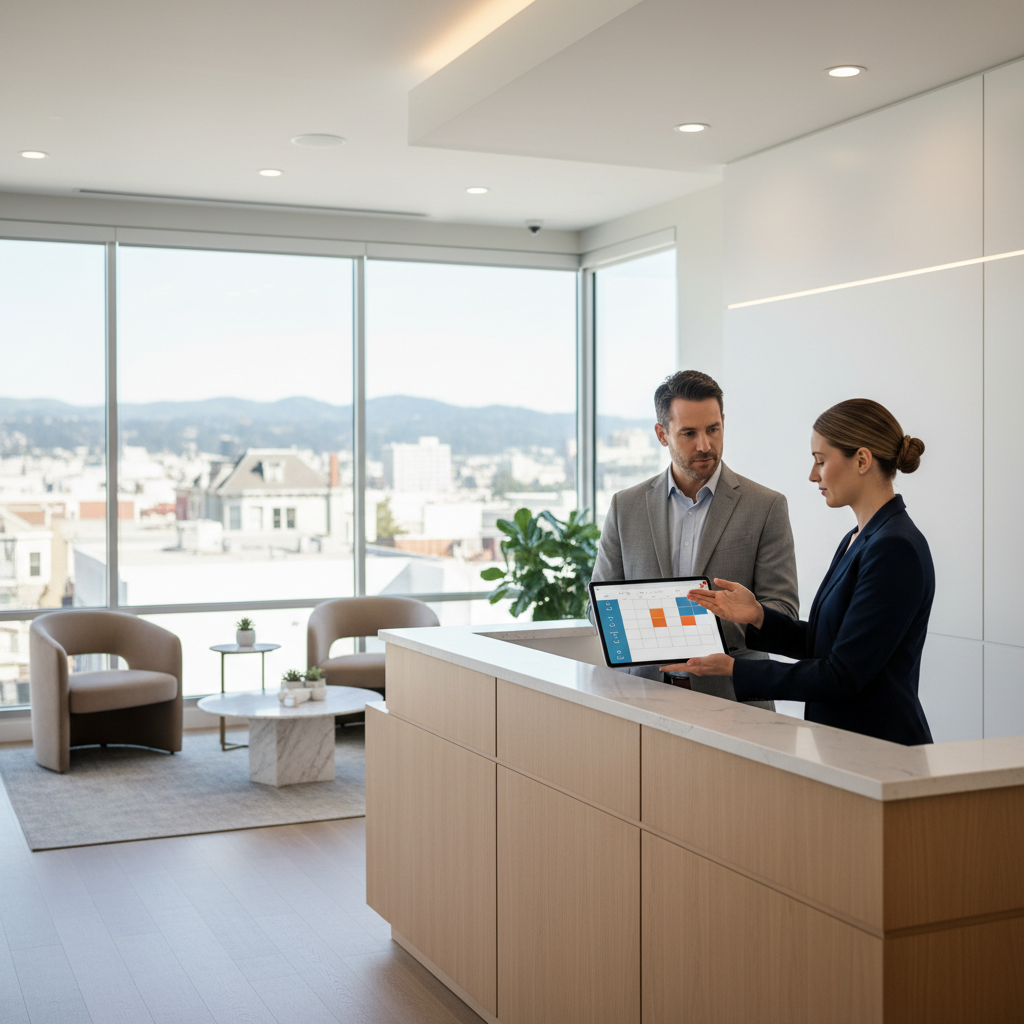
Here’s a contrarian insight: You don’t need more receptionists; you need better workflows. A typical Bay Area medical practice can handle 30% more lead volume simply by automating the first 48 hours of the patient journey. By the time a lead is “ready” for a human, they have already seen your office’s brand video, read three patient testimonials, and confirmed their consultation time. This is the core of patient lead nurturing.
Integrating SEO and Paid Media into the Stack
Your automated lead nurturing is only as good as the data feeding it. This is where Google Ads management and SEO become critical.
What most people miss is that SEO leads and Paid leads require different nurture cadences. An SEO lead is often in the “educational” phase and needs a longer, more informative email sequence. A Google Ads lead is usually in the “transactional” phase and needs an immediate SMS with a booking link. Our internal AI content engine, Ingest.blog, helps our clients maintain the high content velocity needed to fuel these SEO-driven nurture tracks.
- Identify high-volume local keywords (e.g., “Best Dermatologist San Francisco”).
- Create dedicated landing pages for each service line.
- Link these pages to specific automation triggers in your CRM.
- Track the Lead-to-Patient conversion rate to optimize ad spend.
The Privacy-First Stack: Navigating CCPA and HIPAA
In San Francisco, you aren’t just dealing with federal HIPAA laws; you are also dealing with the California Consumer Privacy Act (CCPA). This means your medical marketing automation must be secure.
Using a marketing automation platform that offers HIPAA-compliant modules is non-negotiable. You must ensure that Protected Health Information (PHI) is never stored in a non-secure environment. The stack we recommend uses encrypted middleware to pass only necessary contact info to the marketing side, while keeping medical data locked in the EMR.
Actionable Takeaway: The 48-Hour Audit
This week, perform a “ghost lead” test. Have a friend submit an inquiry on your website at 7:00 PM on a Tuesday. See how long it takes for your practice to respond. If it takes longer than 10 minutes, you are losing money. The fix isn’t hiring more staff; it’s deploying the 3-layer stack.
At iStudios Media, we don’t just provide a “one-off video shoot.” We build the entire performance engine—from corporate video production to the CRM automation that ensures those videos actually get watched by leads. Ready to scale your SF practice without the hiring headache? Contact us for a free strategic consultation.
Frequently Asked Questions
How does automated lead nurturing maintain HIPAA compliance?
We utilize HIPAA-compliant marketing automation platforms that encrypt data at rest and in transit. By using a secure middleware layer, we ensure that marketing triggers (like SMS or Email) only use basic contact information, while sensitive medical data remains siloed within your secure EMR system, adhering to both HIPAA and CCPA standards.
Can this system integrate with my existing EMR like Nextech?
Yes. While most EMRs have limited marketing capabilities, we use healthcare middleware and APIs to create a bridge between your acquisition tools (Google Ads/SEO) and your patient record system. This allows for seamless lead transition without manual data entry from your front-desk staff.
What is the typical ROI for medical marketing automation in the Bay Area?
While results vary, most SF medical practices see a significant decrease in cost-per-acquisition. By improving the lead-to-patient conversion rate through instant follow-up, practices can often increase their patient volume by 20-30% without increasing their monthly ad spend or adding administrative headcount.
Do I need a freelance videographer for this stack?
While you can hire a freelance videographer for a single project, a full-stack agency like iStudios Media ensures your video content is strategically mapped to your nurture sequences. High-quality video is essential for Layer 1 (Capture), but it must be integrated into the automation logic to drive actual conversions.