📋 Table of Contents
- The Architecture of an SF Conference Video Production Engine
- The Technical Breakdown of Real-Time Social Video Delivery
- Maximizing ROI with a Structured Event Content Workflow
- Avoiding the ‘Freelance Videographer’ Bottleneck
- Strategic Post-Production: Tools of the Trade
- Integrating 48-Hour Assets into Your CRM
- FAQs
According to recent data from Wistia, video content engagement peaks within the first 24 to 48 hours following a B2B event, yet many brands wait weeks for a polished recap. In the high-stakes environment of Silicon Valley, a slow 48-hour post-production workflow isn’t just a delay—it’s a total loss of cultural relevance and organic reach.
For marketing directors and startup founders, the traditional model of hiring a freelance videographer for a one-off video shoot often results in a bottlenecked delivery schedule that misses the event’s peak trending window. To capture the ‘post-event dopamine hit,’ you need a structured, scalable engine that treats content production like a newsroom rather than a film set.
The Architecture of an SF Conference Video Production Engine
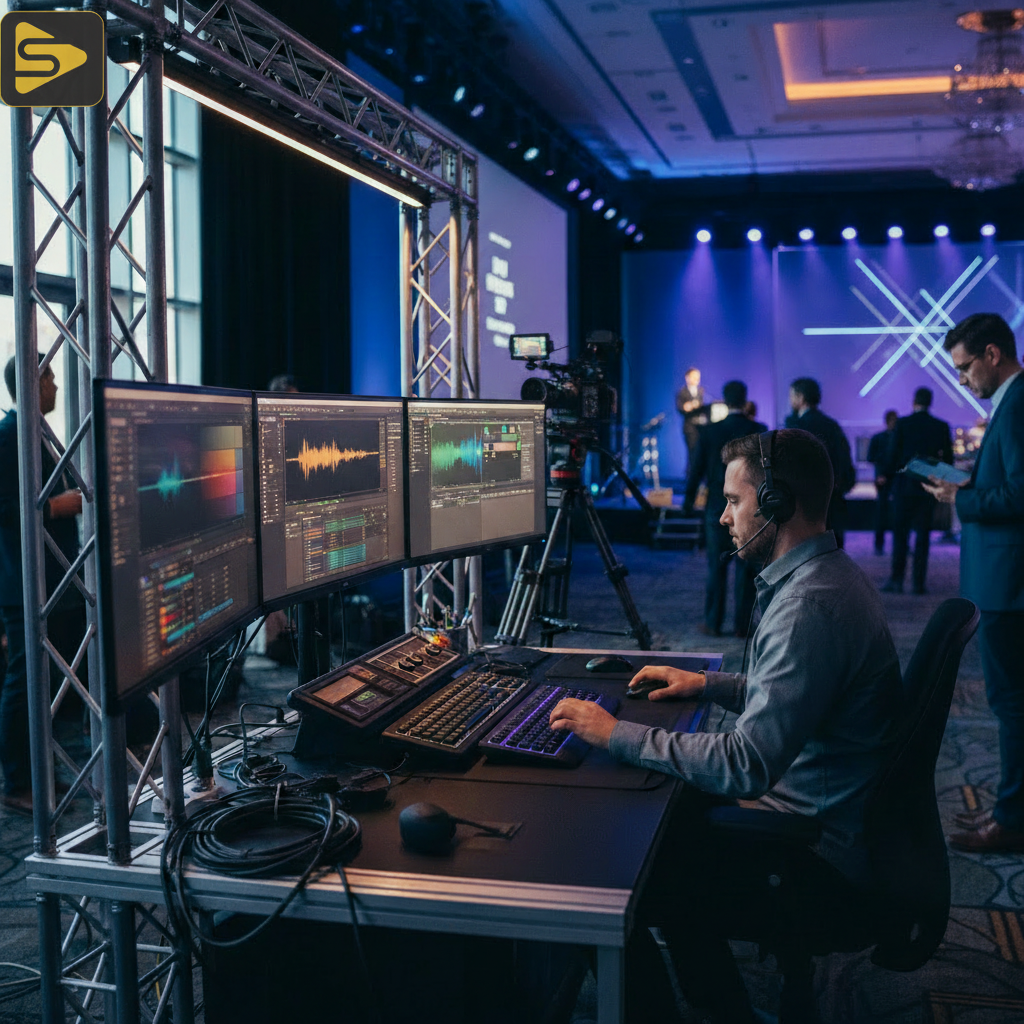
Speed is a byproduct of infrastructure, not just effort. To achieve a true 48-hour post-production workflow, the technical setup must begin weeks before the first keynote at Moscone Center or the Chase Center.
- On-Site Proxy Generation: We utilize high-speed DIT (Digital Imaging Technician) stations to generate low-res proxies instantly, allowing editors to start cutting while the raw 4K footage is still being backed up.
- Cloud-Based Collaboration: Using tools like Frame.io, stakeholders can leave time-stamped feedback in real-time, eliminating the dreaded “email chain of death.”
- AI-Assisted Logging: We leverage automated transcription tools to scan hours of keynote footage for specific keywords, instantly identifying the “golden nuggets” for social distribution.
In our experience with Series B SaaS founders, the goal isn’t just one long video; it’s a library of micro-assets. By treating SF conference video production as a data-gathering mission, you can feed your social media marketing channels for months.
Why the ‘Zero-Day’ Edit is Replacing Traditional Recaps
The industry is shifting toward ‘Zero-Day’ edits—content produced and posted while the attendee is still standing in the registration line. By deploying a “Ghost Editor” workflow—where on-site shooters upload footage to a remote team in a different time zone—Bay Area companies can have a Day 1 highlight reel ready by the time Day 2 begins.
The Technical Breakdown of Real-Time Social Video Delivery
Real-time content succeeds when it prioritizes narrative signal over cinematic fluff. While a one-off video shoot might focus on pretty b-roll, a strategic event content workflow focuses on the insights that drive LinkedIn engagement.
| Asset Type | Delivery Window | Primary Platform |
|---|---|---|
| Keynote “Nuggets” (Vertical) | 2-4 Hours | LinkedIn / X / TikTok |
| Daily Recap Reel | 12 Hours | Instagram / Event Screens |
| High-Production Brand Film | 48-72 Hours | Website / YouTube |
What most people miss is that ‘unpolished’ content often outperforms high-gloss production in tech circles. A raw, high-energy capture of a product reveal feels authentic, whereas a heavily color-graded commercial can feel like an interruption. This is why we often integrate real-time social video into our digital marketing strategies to maintain a high content velocity.
Need a partner who can keep up? Schedule a free consultation to discuss your next SF event.
Maximizing ROI with a Structured Event Content Workflow
A successful 48-hour post-production workflow ensures that your event budget works harder for your sales team long after the booths are packed away. The real kicker? Most of the value is found in the post-event lead nurture sequence.
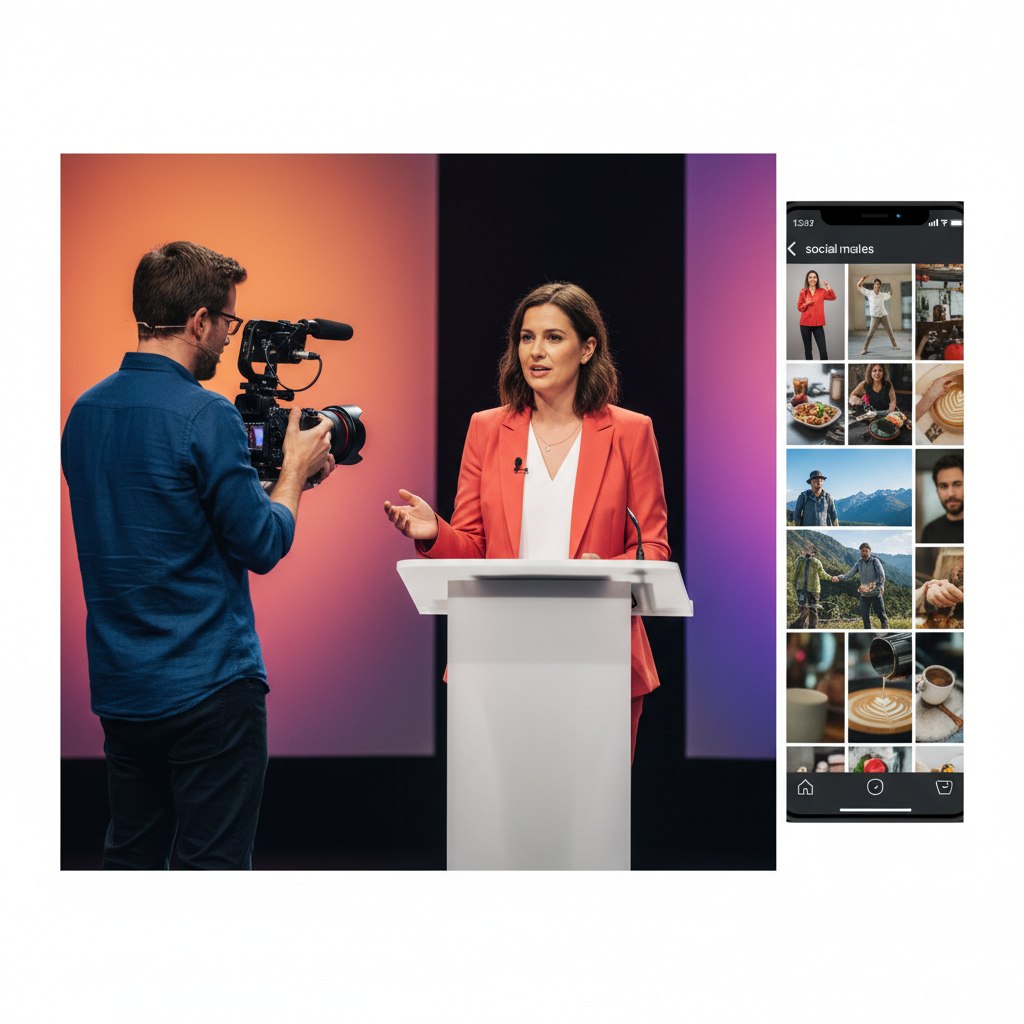
- The LinkedIn Loop: Tagging speakers in 60-second clips within 24 hours triggers the algorithm while the speaker’s own audience is still monitoring event hashtags.
- ABM Integration: Send personalized 30-second recap clips to high-value prospects who attended your session using a marketing automation platform.
- SEO Long-Tail: Transcribing every session allows you to turn one event into 20+ SEO-optimized blog posts. For clients looking to scale this even faster, we use Ingest.blog, our internal AI content engine, to transform video transcripts into search-ready articles in minutes.
According to HubSpot’s State of Marketing report, short-form video is the #1 ROI-generating format, making rapid-turnaround conference clips the most valuable asset in your arsenal.
Avoiding the ‘Freelance Videographer’ Bottleneck
The biggest risk to a 48-hour post-production workflow is vendor fragmentation. When you hire a freelance videographer, a separate editor, and a different agency for paid advertising, the hand-off points become points of failure.
A typical Bay Area mid-market client often struggles with this “Franken-stack” of vendors. By consolidating video production and performance marketing under one roof, you eliminate the friction. The person filming knows exactly what the person running the Google Ads needs for a high-converting video ad.
The Contrarian View: Stop Aiming for Perfection
Here’s the thing: perfection is the enemy of reach. In the 48 hours following an event, a B+ video that is seen by 10,000 people is infinitely more valuable than an A+ video seen by 500 people two weeks later. We advise our clients to embrace the “speed-to-lead” mentality in their content strategy.
Strategic Post-Production: Tools of the Trade
To maintain a 48-hour post-production workflow, we utilize a stack of professional and AI-driven tools that ensure quality doesn’t dip as speed increases. These aren’t just gadgets; they are the backbone of a modern SF conference video production team.
- DaVinci Resolve & Premiere Pro: For high-end color and sound finishing.
- Descript: For rapid text-based video editing and transcription.
- Munch or OpusClip: For AI-powered identification of viral social moments.
- Teradek: For wireless video transmission from the camera directly to the editor’s station.
For corporate comms and HR leads, this speed is vital for internal culture. Sharing a highlight reel of a company offsite or training session within 48 hours reinforces the message while it’s still fresh in the employees’ minds. This is a core component of our corporate video services.
Integrating 48-Hour Assets into Your CRM
Don’t let your videos die on a hard drive. A sophisticated event content workflow involves pushing these assets directly into your CRM and marketing automation pipeline. If a prospect scans a QR code at your booth, they should receive a recap video of the session they just saw within 24 hours.
This level of integration is what separates a generic marketing agency from a growth partner. We don’t just deliver files; we deliver systems that generate revenue. Whether you are a Series A startup needing a polished brand film or an enterprise CMO scaling content, the principles of the 48-hour post-production workflow apply.
Ready to dominate the social feed at your next event? Contact iStudios Media today for a tailored production and performance strategy.
FAQs
How do you ensure quality in a 48-hour post-production workflow?
Quality is maintained through pre-production templating and a tiered editing structure. By setting brand guidelines, color LUTS, and motion graphic templates before the event, our editors can focus entirely on the narrative. We use a DIT to ensure all footage is backed up and organized, preventing technical errors that slow down the process.
Is SF conference video production more expensive for rapid turnaround?
While rapid delivery requires more intensive on-site resources, it often provides a higher ROI by capturing the event’s peak interest window. Typical Bay Area pricing for comprehensive event coverage ranges from $2,500 to $15,000 depending on the crew size and the volume of deliverables required within that 48-hour window.
Can we use real-time social video for paid advertising?
Absolutely. In fact, raw, timely event footage often has a lower Cost Per Click (CPC) on platforms like LinkedIn and Meta because it feels less like an ad and more like news. We recommend allocating a portion of your event budget to boost these high-performing clips immediately while the event hashtag is still active.
What is the ‘Ghost Editor’ workflow exactly?
The ‘Ghost Editor’ workflow utilizes time zone differences to achieve overnight results. Our SF-based crew films during the day and uploads proxies to our remote editing team. While the Bay Area sleeps, the footage is edited and ready for review by 8:00 AM PST the following morning, effectively creating a 24-hour production cycle.