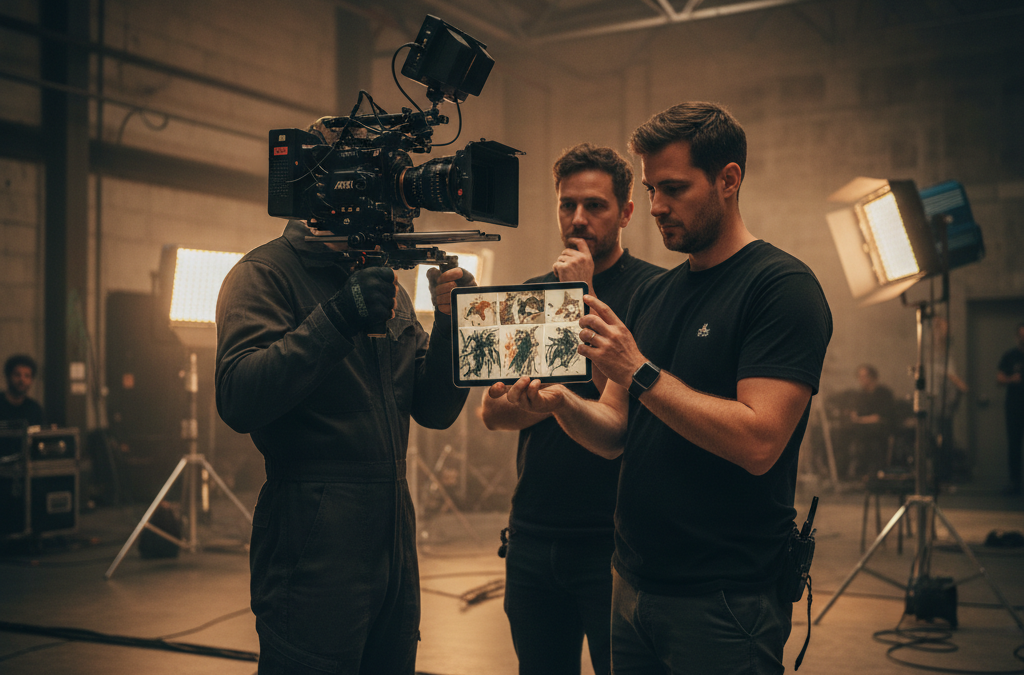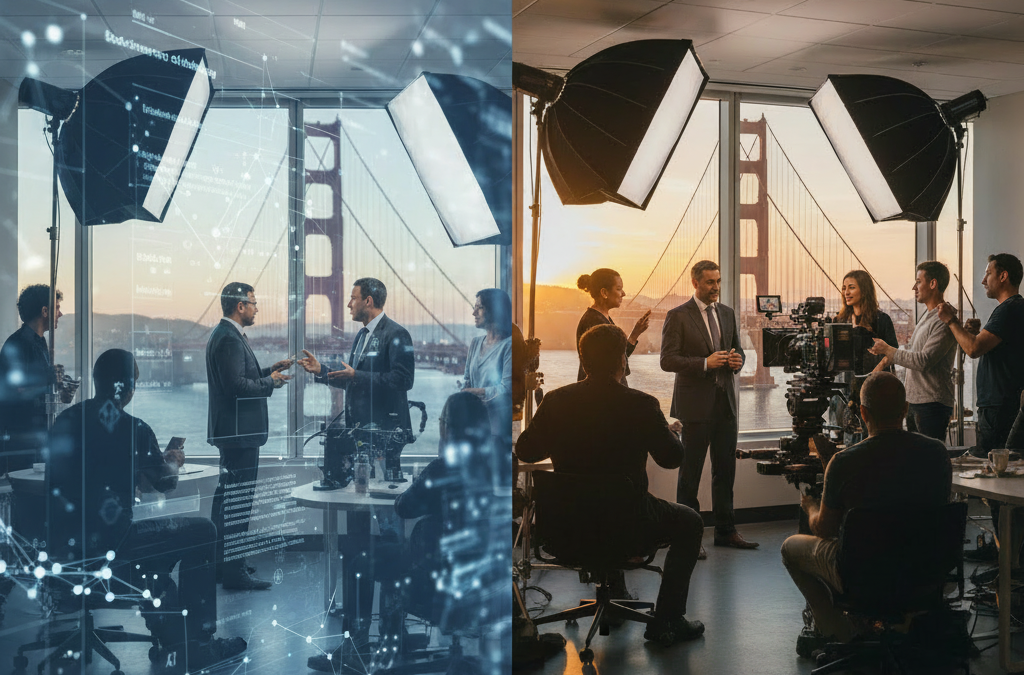
A digital imaging technician SF is included in your quote to ensure your high-resolution footage is backed up securely and color-graded in real-time, preventing expensive reshoots. By managing video data management on-set, they bridge the gap between the camera and the final edit, making your production workflow faster and more reliable.
The ‘Insurance Policy’ Against Data Loss
In a professional San Francisco production studio, a DIT acts as the final gatekeeper for every byte of data captured during your shoot. Unlike a freelance videographer who might wait until they get home to offload cards, a DIT performs onset media offloading with checksum verification—a technical process that ensures the copy is identical to the original down to the last bit.
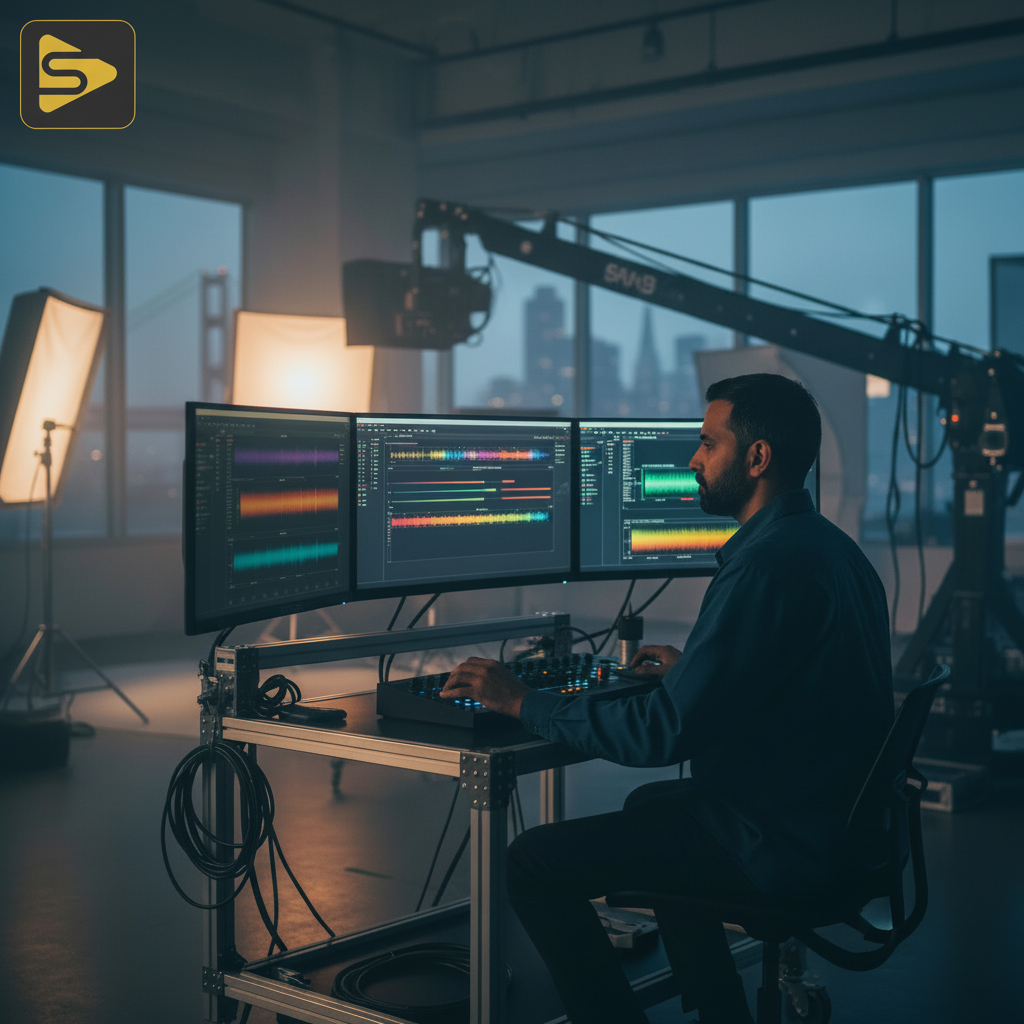
For a Series B startup or an enterprise marketing team, the cost of a DIT is a fraction of the cost of re-assembling a crew, talent, and studio space if a single camera card fails. According to industry standards, data redundancy (having at least three copies in two different locations) is the only way to guarantee your investment is safe before the lights go down.
Accelerating Speed-to-Market with ‘Edit-Ready’ Files
A DIT eliminates the “black box” period between the shoot and the first draft by transcoding footage into smaller, manageable files for your editors immediately. This process, known as video transcoding services, allows your post-production team to start working while the crew is still packing up the gear.
Try this: If you are running a tight campaign for a product launch, ask your production partner for “proxies” (low-resolution edit files) to be delivered via the cloud by the end of the shoot day. This enables your social media team to begin drafting TikTok-ready assets or LinkedIn teasers without waiting 48 hours for a hard drive to arrive in the mail.
Ensuring Color Consistency Across Platforms
A DIT ensures that what you see on the high-end studio monitor is exactly what the final video will look like, regardless of whether it’s viewed on an iPhone or a boardroom projector. They apply a “Live Grade” to the camera feed, allowing the director and CMO to see a polished version of the image rather than the flat, grey “Log” footage that high-end cameras naturally record.
| Feature | Standard Shoot | DIT-Supported Shoot |
|---|---|---|
| Data Safety | Single copy on card | Triple-redundant backup |
| Review Speed | Wait for post-house | Instant on-set playback |
| Color Accuracy | Guessed on-set | Calibrated & Verified |
Virtual Video Villages for Busy Executives
For Bay Area tech leaders who can’t spend ten hours in a San Leandro studio, a DIT facilitates remote production by streaming high-quality, color-accurate feeds directly to your office. This “Virtual Video Village” allows stakeholders to provide real-time feedback on wardrobe, lighting, or messaging without leaving their desks.

This level of on-set data management is what separates a professional agency partner from a one-off video shoot. It transforms the production from a stressful event into a controlled, transparent process where the ROI is visible before the day is over.
Ready to ensure your next brand film is secure and scalable? Schedule a free consultation with our production leads to discuss your project scope.
The Financial Strategy of Professional Staffing
While it may be tempting to cut the DIT to save on production overhead optimization, doing so often increases post-production costs. When an editor receives messy, unlabeled files, they spend billable hours organizing data rather than storytelling. A DIT delivers a clean, organized drive that slashes editing time, effectively paying for themselves through post-production efficiency.
Avoid This Common Mistake
Avoid assuming the camera operator can handle the data. On a complex commercial shoot, the operator’s focus must be on composition and movement; asking them to manage hard drives leads to human error and missed shots. In the high-stakes world of SF corporate comms and medical marketing, professional roles exist to ensure zero-failure execution.
Frequently Asked Questions
What exactly does a DIT do on a video set?
A Digital Imaging Technician manages the technical workflow of the image. They handle data offloading, create secure backups, apply initial color grades, and ensure the footage meets the technical specifications required for the final edit.
Is a DIT necessary for a small one-day shoot?
While optional for very low-budget projects, a DIT is highly recommended for any shoot where the cost of a reshoot exceeds the DIT’s day rate. They are the primary defense against data corruption and card failure.
How does a DIT help with my social media content?
A DIT can quickly export high-quality stills or short clips during the shoot, allowing your marketing team to post “behind-the-scenes” or teaser content to social platforms almost instantly.
What is the difference between a DIT and a data wrangler?
A data wrangler primarily focuses on copying files securely. A DIT does that plus manages color, monitors exposure, and handles complex transcoding, providing a higher level of creative and technical support.