📋 Table of Contents
According to LinkedIn’s internal data, video content generates five times more engagement than static posts, yet most technical founders struggle to convert that attention into pipeline. The B2B LinkedIn ads scripting process often fails because it treats professional decision-makers like passive consumers rather than skeptical engineers looking for a solution.
In the Bay Area’s competitive SaaS landscape, a one-off video shoot without a strategic backbone is a recipe for high CPL and low intent. To move the needle, you need a framework that respects the viewer’s intelligence while guiding them toward a logical next step. This is the 3-stage technical scripting framework designed for high-stakes B2B environments.
Key Takeaways for B2B Video Strategy
- Context over Hype: Replace generic excitement with technical context that addresses specific workflow pain points.
- The Proof Pivot: Use micro-demos to show, not just tell, how your product functions within the first 20 seconds.
- Low-Friction CTAs: Transition from high-pressure ‘Book a Demo’ asks to ‘Ungated Value’ to build trust first.
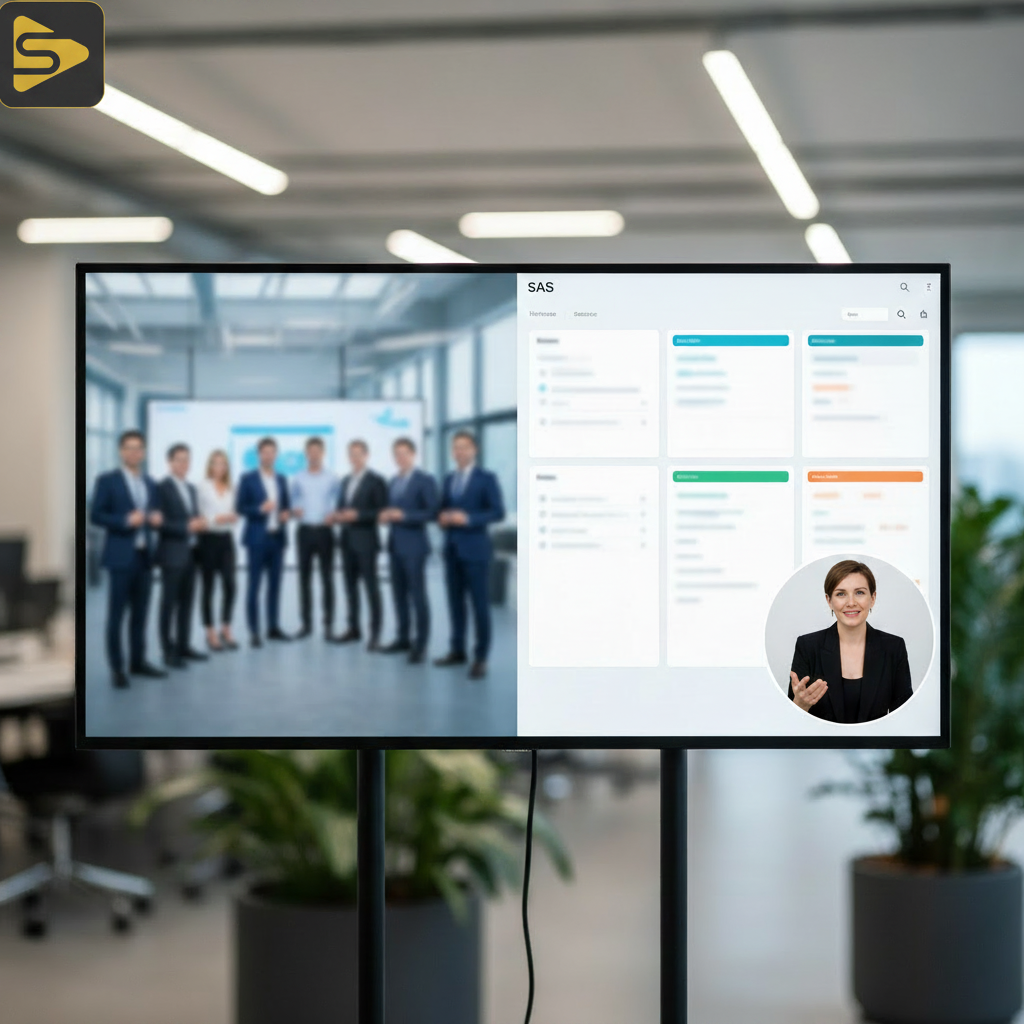
Stage 1: The Contextual Hook for B2B LinkedIn Ads Scripting
The first three seconds of your video determine whether a CMO or VP of Engineering continues to scroll or stops to listen. Most B2B LinkedIn ads scripting attempts fail here by using ‘lifestyle’ imagery that feels like stock footage rather than industry reality.
Here’s the thing: B2B buyers are suffering from ‘marketing fatigue.’ They don’t want a freelance videographer to film them walking through an office; they want a technical subject matter expert to identify a bottleneck in their current stack. We call this the ‘Contextual Hook.’
How to structure a Contextual Hook:
- Identify the Variable: Mention a specific tool or process (e.g., “If your Kubernetes deployments are lagging…”).
- Agitate the Outcome: Don’t just name the problem; name the consequence (e.g., “…you’re losing developer hours to manual rollbacks”).
- The Anti-Marketing Stance: Use a Lo-Fi aesthetic. A person talking directly to a camera in a real office often outperforms a polished commercial in the professional feed.
In our work with Series B SaaS founders, we’ve found that scripts starting with a screen recording of a common error message or a specific dashboard view outperform high-production talking heads by nearly 40% in click-through rates. Decision-makers in the SF Bay Area value time and clarity over cinematic flair.
Stage 2: The Value-Pivot and Technical Proof
Once you’ve earned their attention, you must immediately validate your claim with a ‘Micro-Demo’ that bridges the gap between brand awareness and product utility. This is where your LinkedIn video ad strategy shifts from theory to application.
The real kicker? Most companies wait until the end of the video to show their product. In a world of ‘silent-scroll’ mobile users, you need to show the UI within the first 15 seconds. This ‘Proof Pivot’ satisfies the skeptical engineer persona by providing immediate visual evidence of your solution’s ease of use.
| Element | Generic Corporate Script | Technical Framework Script |
|---|---|---|
| Opening | “Are you tired of slow software?” | “Most DevOps teams lose 4 hours a week to [Specific Process].” |
| Visuals | Stock footage of people smiling at laptops. | Side-by-side comparison of the old way vs. your UI. |
| Tone | Salesy and aspirational. | Educational and execution-focused. |
What most people miss: The goal isn’t to show every feature. It’s to show the one feature that solves the problem mentioned in Stage 1. If you are scaling content velocity, tools like Ingest.blog, our internal AI content engine, can help you ideate these specific technical hooks for different segments of your audience.
Stage 3: The Low-Friction CTA for SaaS Lead Generation
The final stage of B2B LinkedIn ads scripting is the call-to-action (CTA), and this is where many campaigns fall off a cliff by asking for too much too soon. A ‘Book a Demo’ button on a cold-audience video is a high-friction request that often leads to bounce rates.
Instead, we recommend a ‘Low-Friction’ approach that aligns with modern demand generation principles. Offer something the viewer can consume immediately without a 30-minute commitment. This builds the ‘Technical SME’ authority you need to close the deal later.
Effective Low-Friction CTA Examples:
- The Ungated Guide: “Download our 5-step checklist for [Topic]—no form required.”
- The Interactive Sandbox: “Try the calculator yourself at our site.”
- The Micro-Webinar: “Watch the 2-minute breakdown of how we solved this for [Industry].”
But wait—if you’re a Marketing Director at a mid-market firm, you might be worried about lead volume. While low-friction CTAs might seem to lower ‘leads,’ they significantly increase ‘high-intent’ conversations. You’re trading junk form-fills for actual brand affinity. For those ready to scale, our video production and digital marketing teams can help you build the systems to track these metrics effectively.
Integrating AI and Automation into Your Scripting Workflow
Scaling a B2B video scripting operation shouldn’t mean scaling your headcount. As of 2025, the most efficient teams are using AI to assist in the research phase of scripting. By feeding technical documentation into a large language model, you can extract the most painful user problems to fuel your Stage 1 hooks.
However, an honest, contrarian insight: AI cannot write the ‘soul’ of a brand film. It can provide the logic, but the creative precision required for SaaS lead generation in the Bay Area requires a human touch to ensure the tone isn’t ‘uncanny valley.’ Use AI for the framework, but let a professional production partner handle the execution.
At iStudios Media, we combine this technical precision with corporate video production expertise. We don’t just film; we architect growth systems. Whether it’s Google Ads management or high-end cinematography, we ensure every frame serves a performance goal.
Applying the Framework to Your Next Campaign
Ready to put this into practice? Start by auditing your current video assets. If your videos open with a 5-second logo animation, you are already losing money. The B2B LinkedIn ads scripting framework demands that you value the viewer’s time from the first frame.
Your Monday Morning Checklist:
- Identify one technical ‘pain point’ your product solves.
- Script a 15-second ‘Micro-Demo’ showing that solution in the UI.
- Replace your ‘Book a Demo’ CTA with a ‘Watch the Full Case Study’ link.
If you’re looking for a partner who understands both the art of the brand film and the science of conversion rate optimization, let’s talk. We help Bay Area companies scale their message without the friction of managing multiple fragmented vendors.
Need help refining your strategy? Schedule a free consultation with our production and performance team today.
Frequently Asked Questions
How long should a B2B LinkedIn video ad be?
For high-intent B2B audiences, we recommend keeping top-of-funnel videos between 30 and 90 seconds. According to industry research, professional viewers drop off significantly after the 2-minute mark unless the content is a deep-dive technical tutorial specifically requested by the user.
Is high production value necessary for LinkedIn Ads?
While quality matters for brand credibility, ‘over-produced’ content can sometimes feel like a television commercial and be ignored. A blend of professional lighting/audio with authentic, ‘on-the-floor’ footage often yields the best ROI for SaaS lead generation because it feels more relatable to the end-user.
How do I measure the success of a video ad beyond clicks?
Look at ‘View-Through’ rates and ‘Video Completion’ percentages. On LinkedIn, if a significant portion of your target demographic is watching past the 50% mark, you are successfully building brand salience, even if they don’t click immediately. This is the core of a modern demand generation strategy.
Can I use the same script for Meta and LinkedIn?
Generally, no. LinkedIn requires a more professional, technical tone focused on ROI and career impact. While the 3-stage framework applies to both, the ‘Contextual Hook’ for LinkedIn should focus on business outcomes, whereas Meta can be slightly more lifestyle or emotionally driven.